The Future of Emergency Cardiac Care
concept
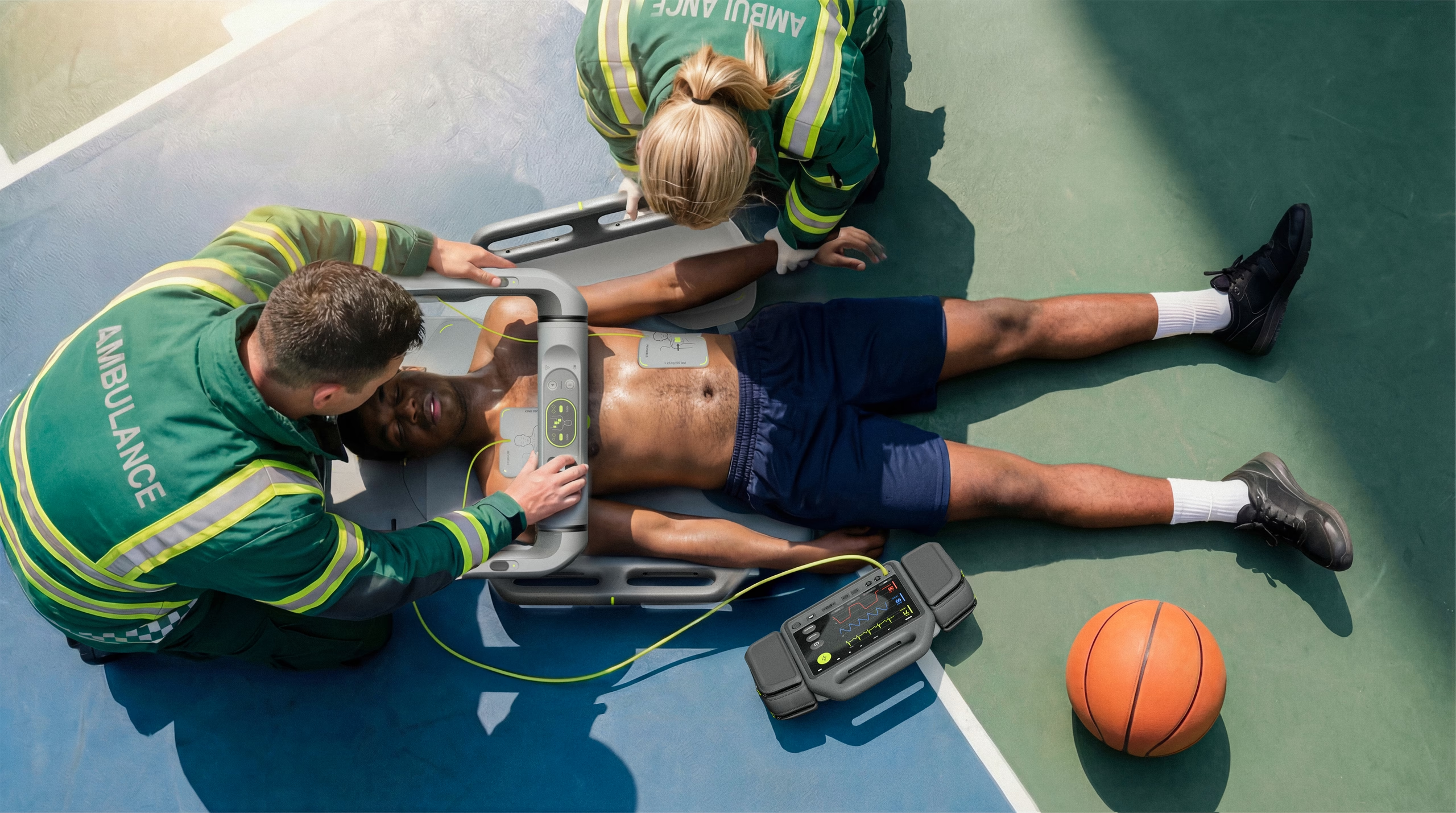
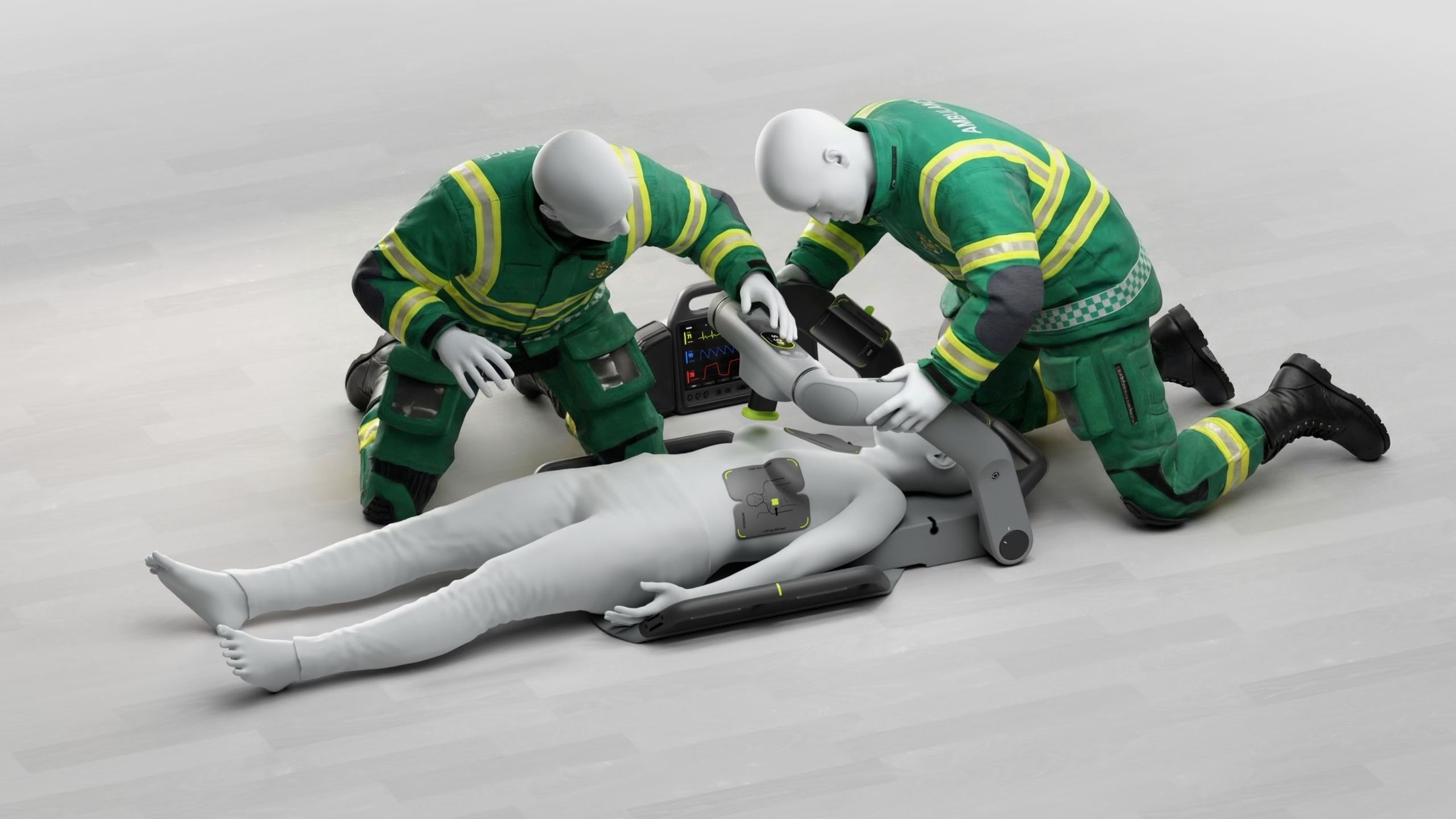
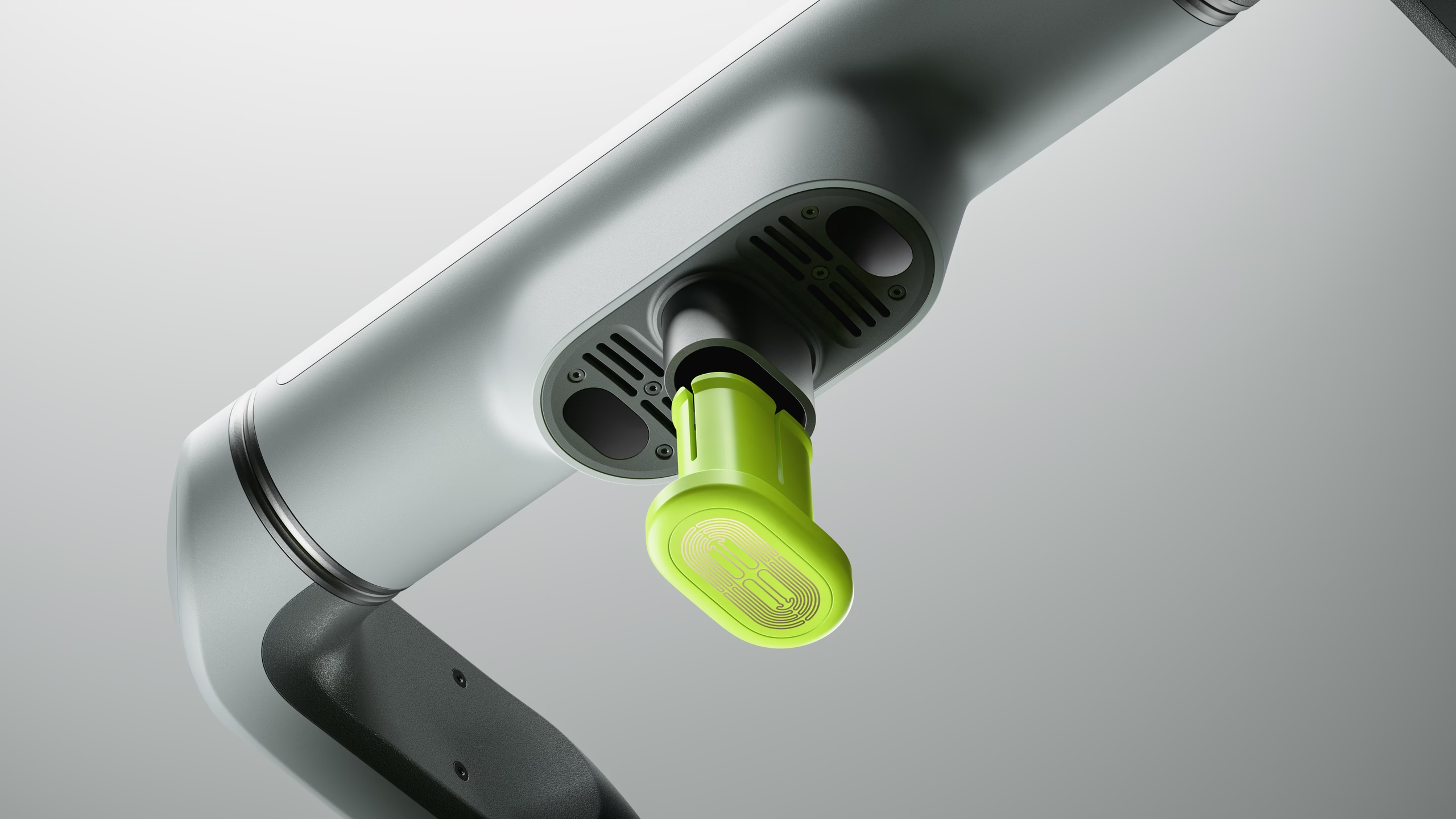
LifeLine integrates defibrillation electrodes directly into the compression piston of an automated CPR device. This allows paramedics to perform double sequential external defibrillation (DSED) in the field for the first time. The DOSE-VF trial showed DSED produces 2.3× better survival outcomes in refractory cardiac arrest.
info
Umeå Institute of Design
Laerdal Medical
Pierre Brand
Nicolò Vincenzi
2025
10 weeks

Context & Research
How might we help paramedics
improve survival outcomes in cardiac arrest cases?
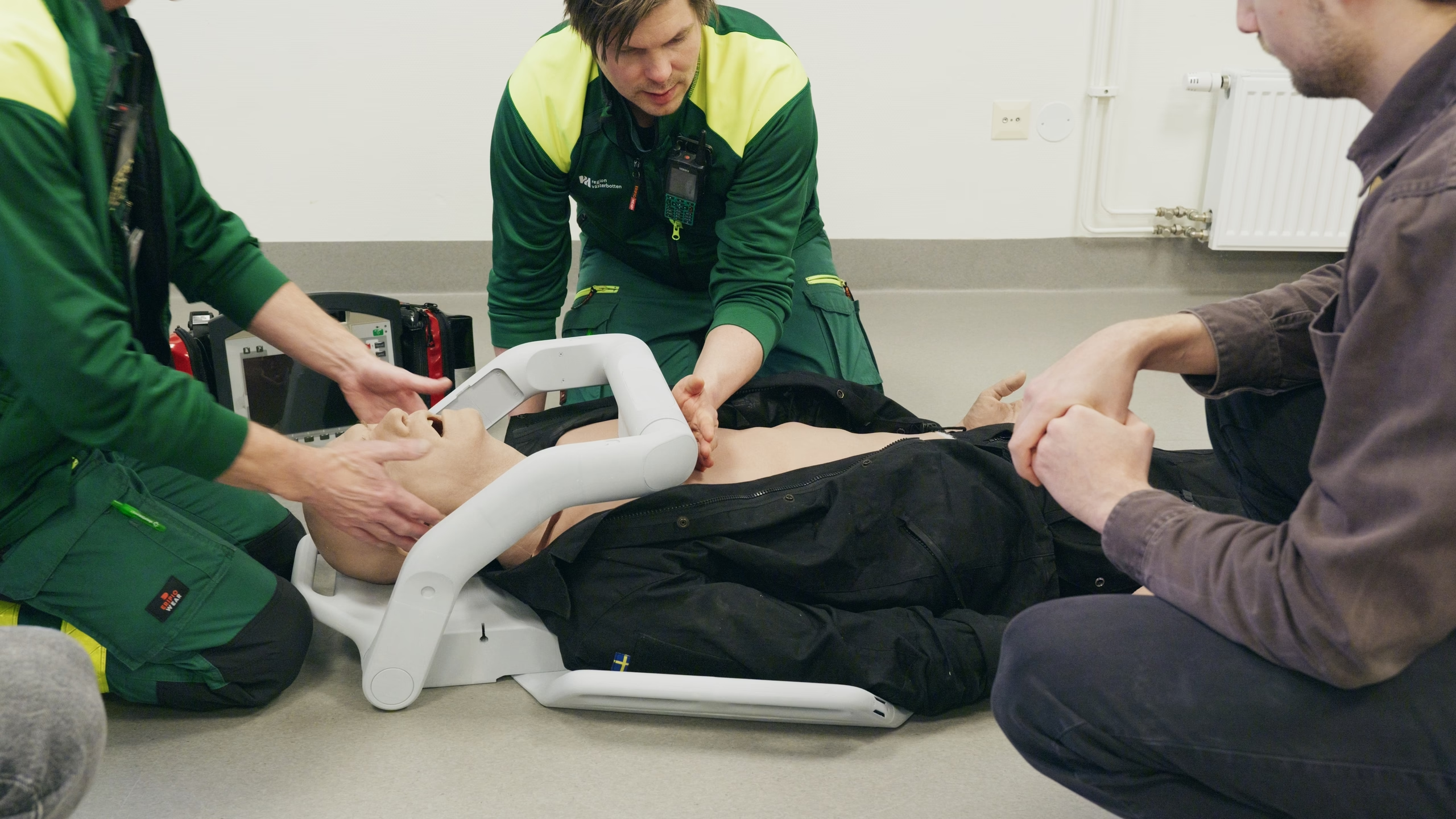
Working with Laerdal Medical, we ran field research and training sessions with paramedics in Umeå, Sweden. The goal was to understand the pressures of a cardiac arrest call: how paramedics move, what slows them down, and where current devices fail.
Extreme scenario training revealed how stress, noise, darkness, and obstacles impact CPR performance.
The Chain of Survival
A sequence of time-critical steps decides survival
Cardiac arrest outcomes depend on five tightly linked actions — each one buying time for the next. LifeLine works at the paramedic step, where advanced care must reach the patient without interrupting what the bystander already started.
Recognition
Bystander
Early CPR
Bystander
Defibrillation
1st Responders
Advanced Care
Paramedics
Recovery
Hospital
The Opportunity
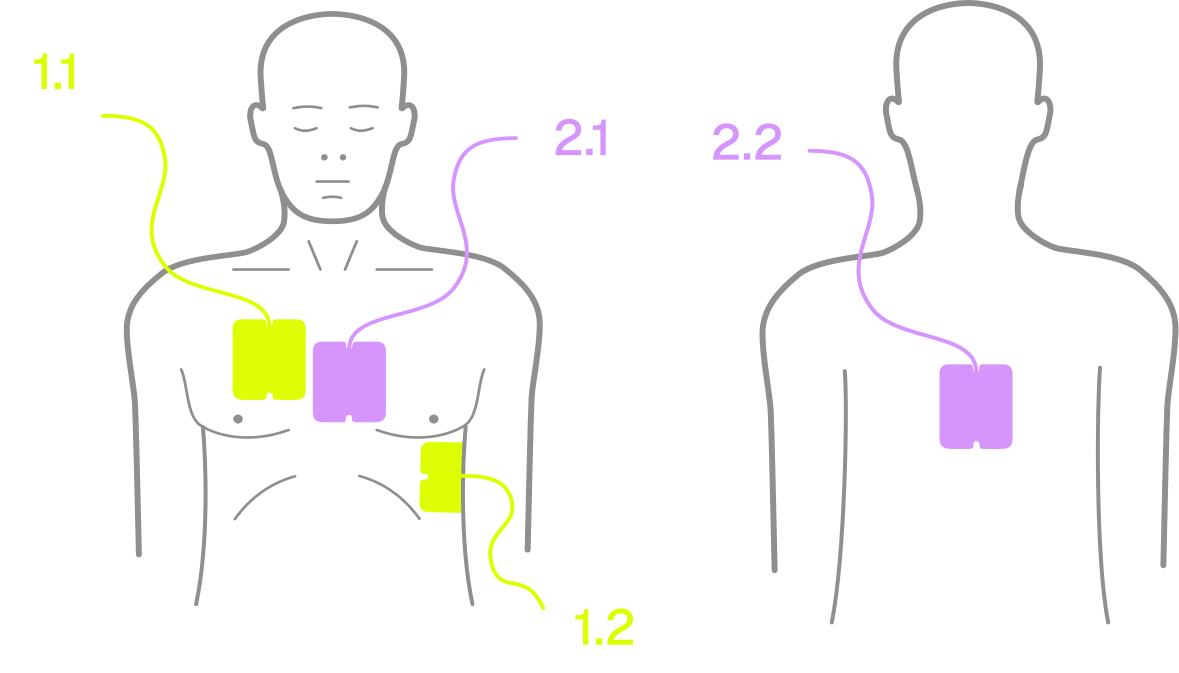
Double Sequential External Defibrillation (DSED) improves survival
The DOSE-VF trial showed that two shocks delivered in rapid sequence substantially improve survival in refractory cardiac arrest.
No product existed to make this possible outside the hospital.
A second pair of pads delivers two shocks in rapid sequence, raising the electrical energy that reaches the heart
higher survival with DSED vs standard
in refractory VF
Source: DOSE VF Trial (2022)
Source: AHA / CARES
Source: CARES / AHA
Source: AHA
Why it doesn't exist yet
Current technology creates barriers
Paramedics deliver 21% of first shocks, yet current technology prevents them from delivering the most effective treatment.
"We know DSED works. But with current equipment, placing pads on the back and chest is practically impossible without critical delays."— Paramedic Umeå, Sweden
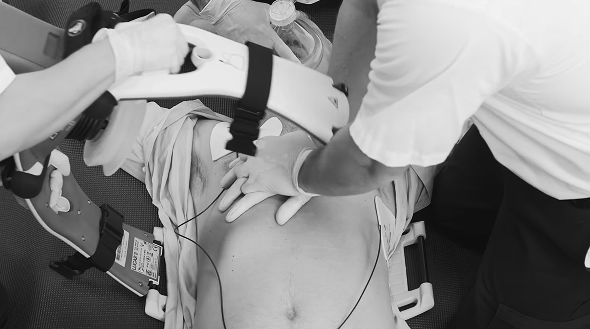
Sternum blocked
Compression machines obstruct electrode access
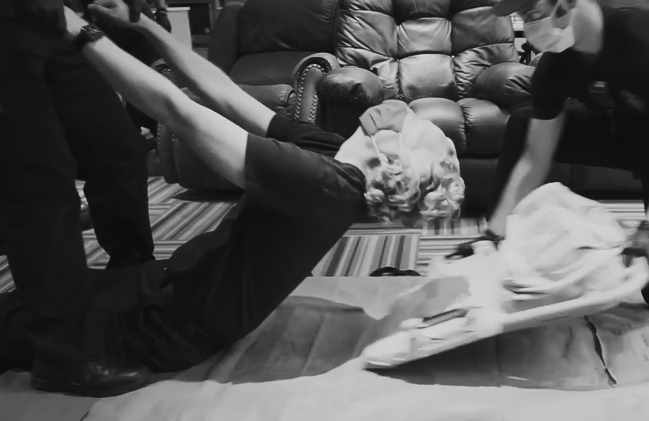
Patient repositioning
Accessing the back interrupts compressions
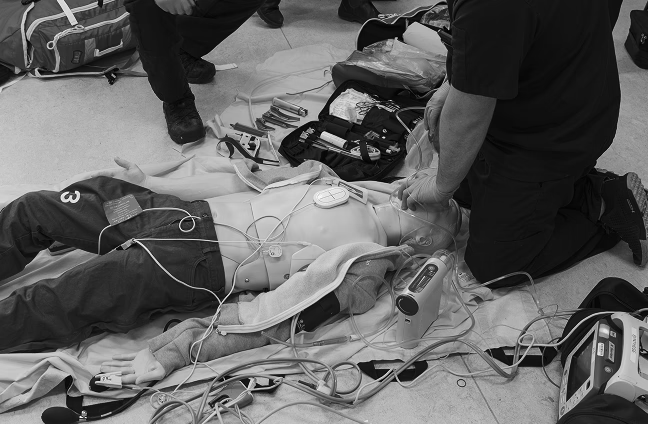
Cable complexity
Multiple devices create entanglement
The Solution
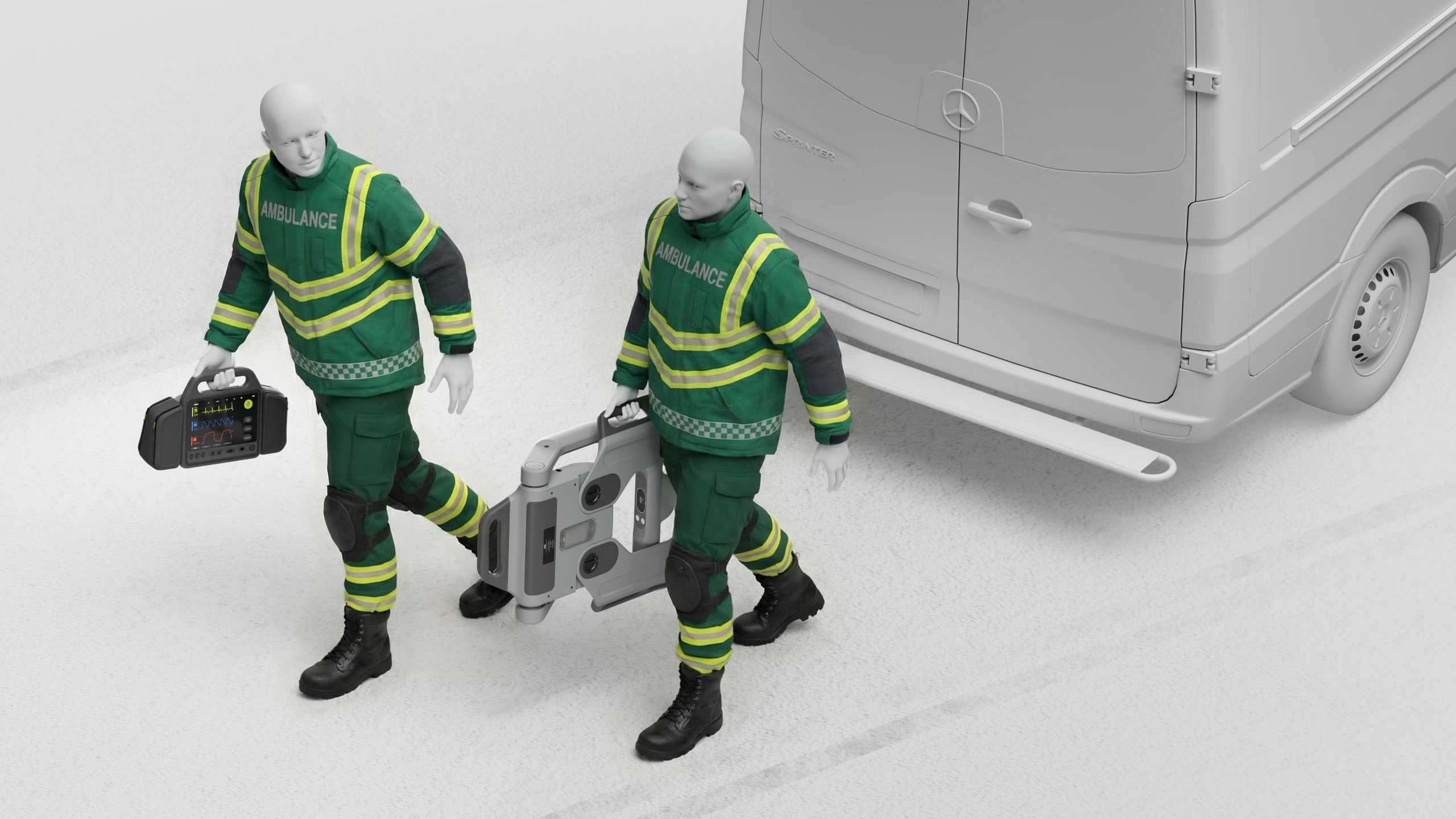
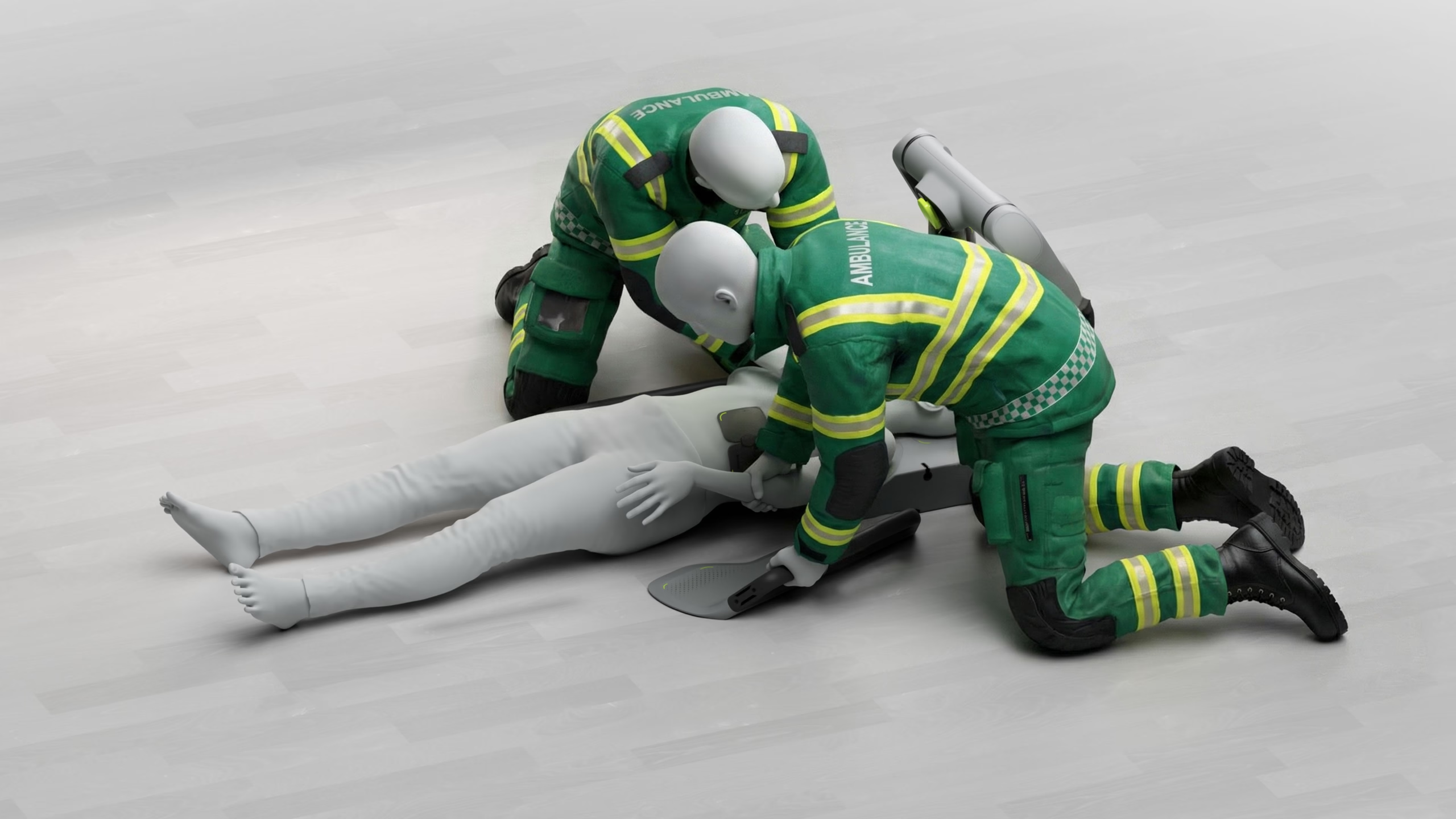
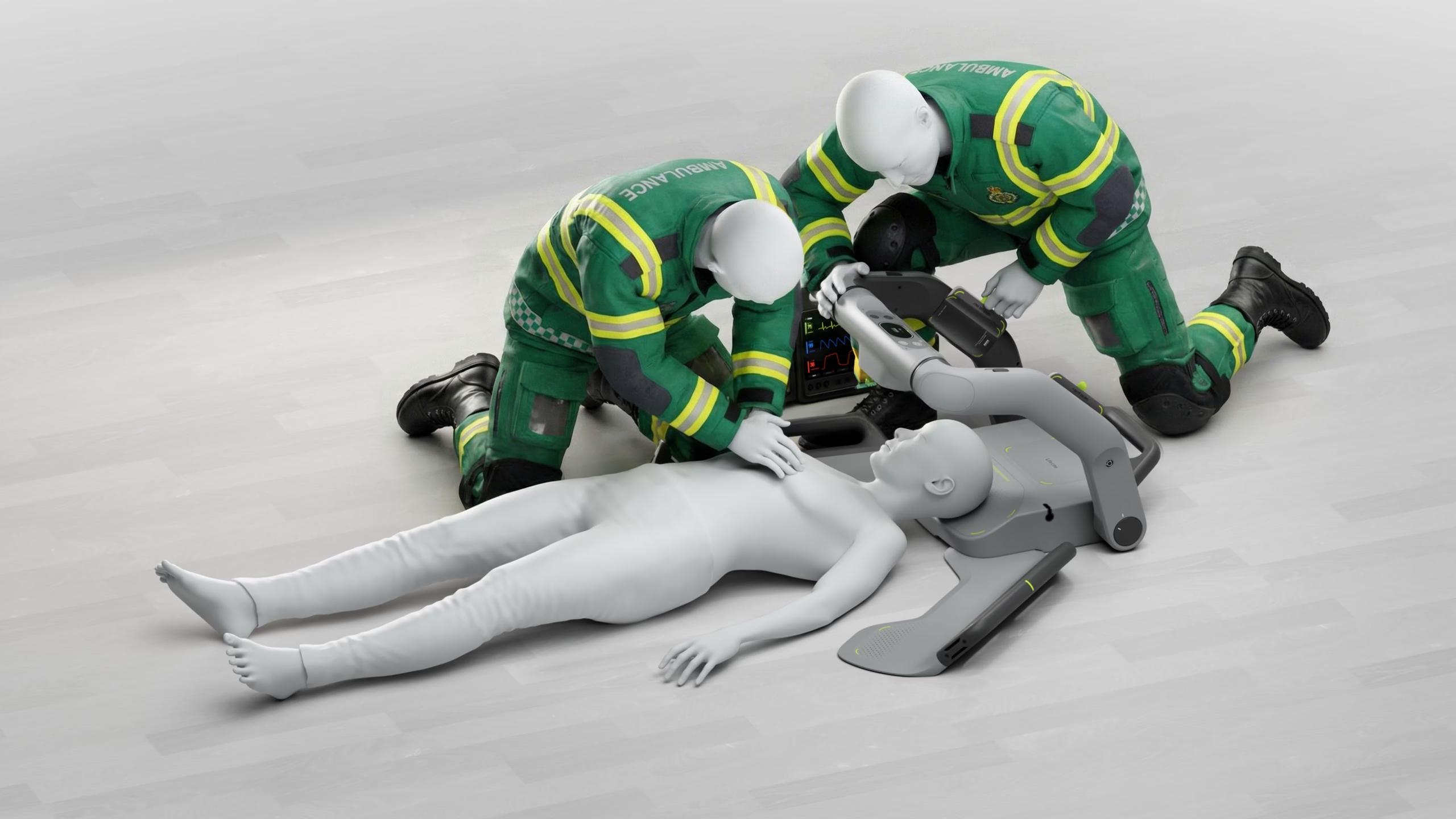
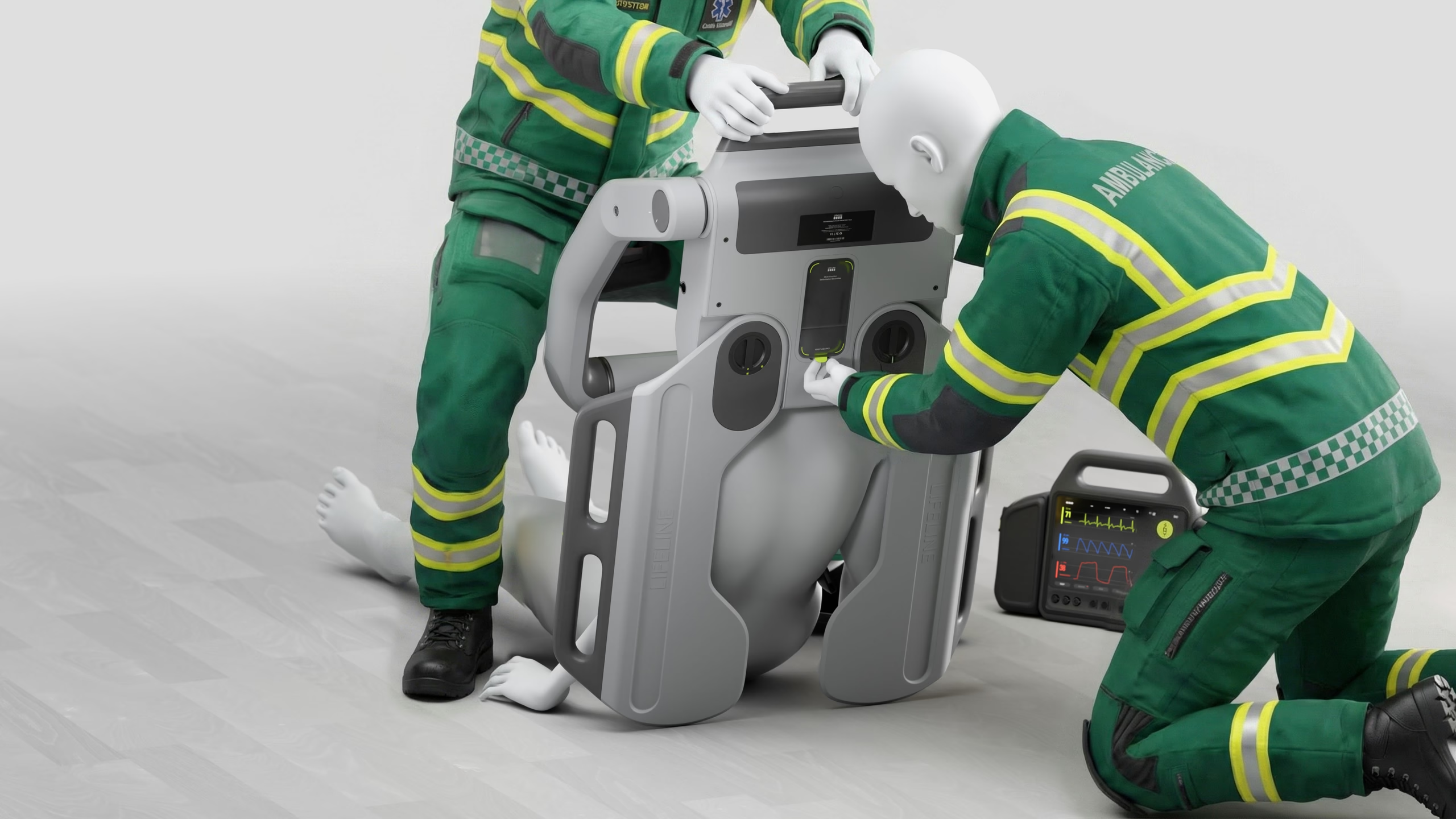
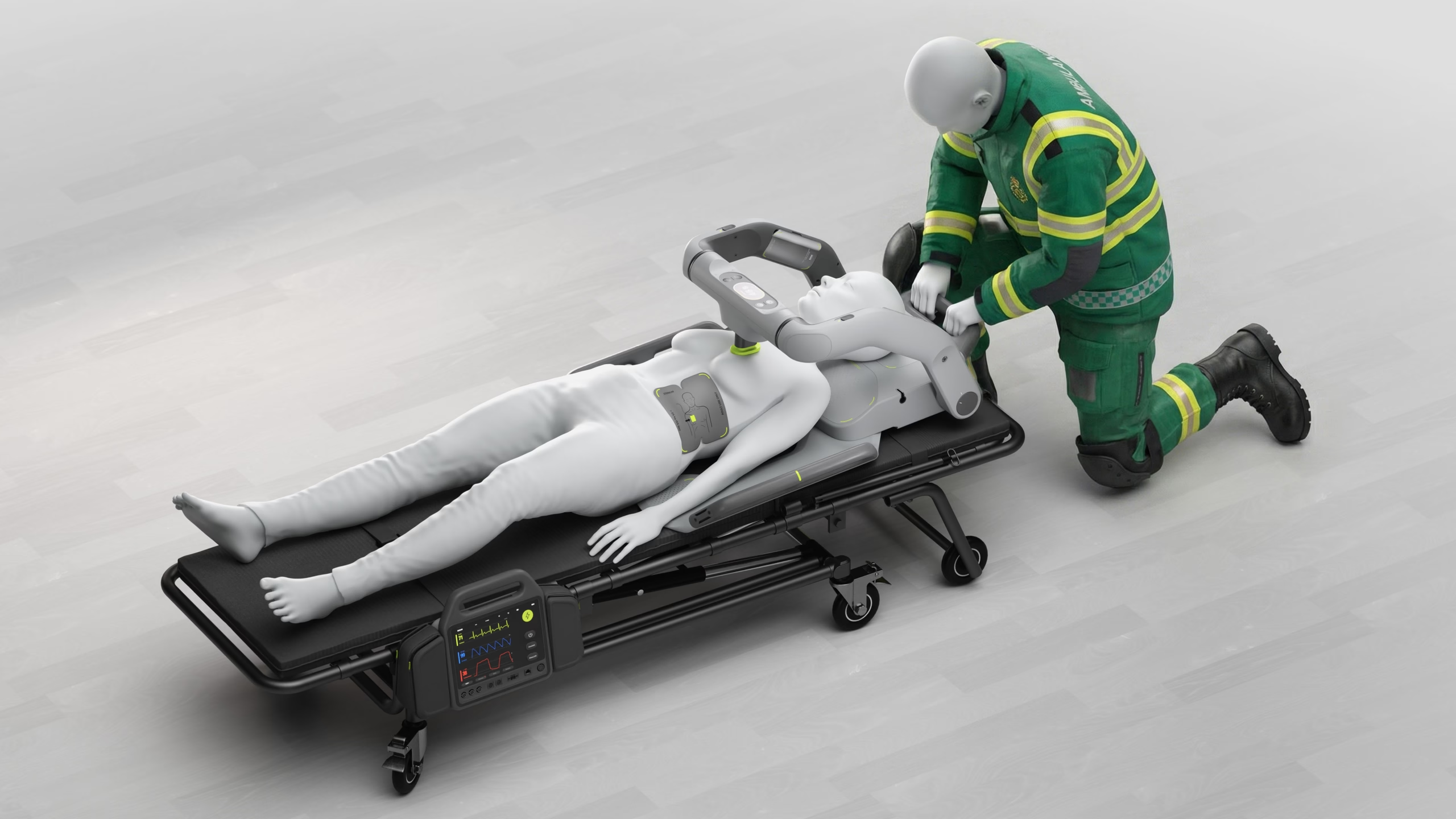
LifeLine combines compression and defibrillation in one system.
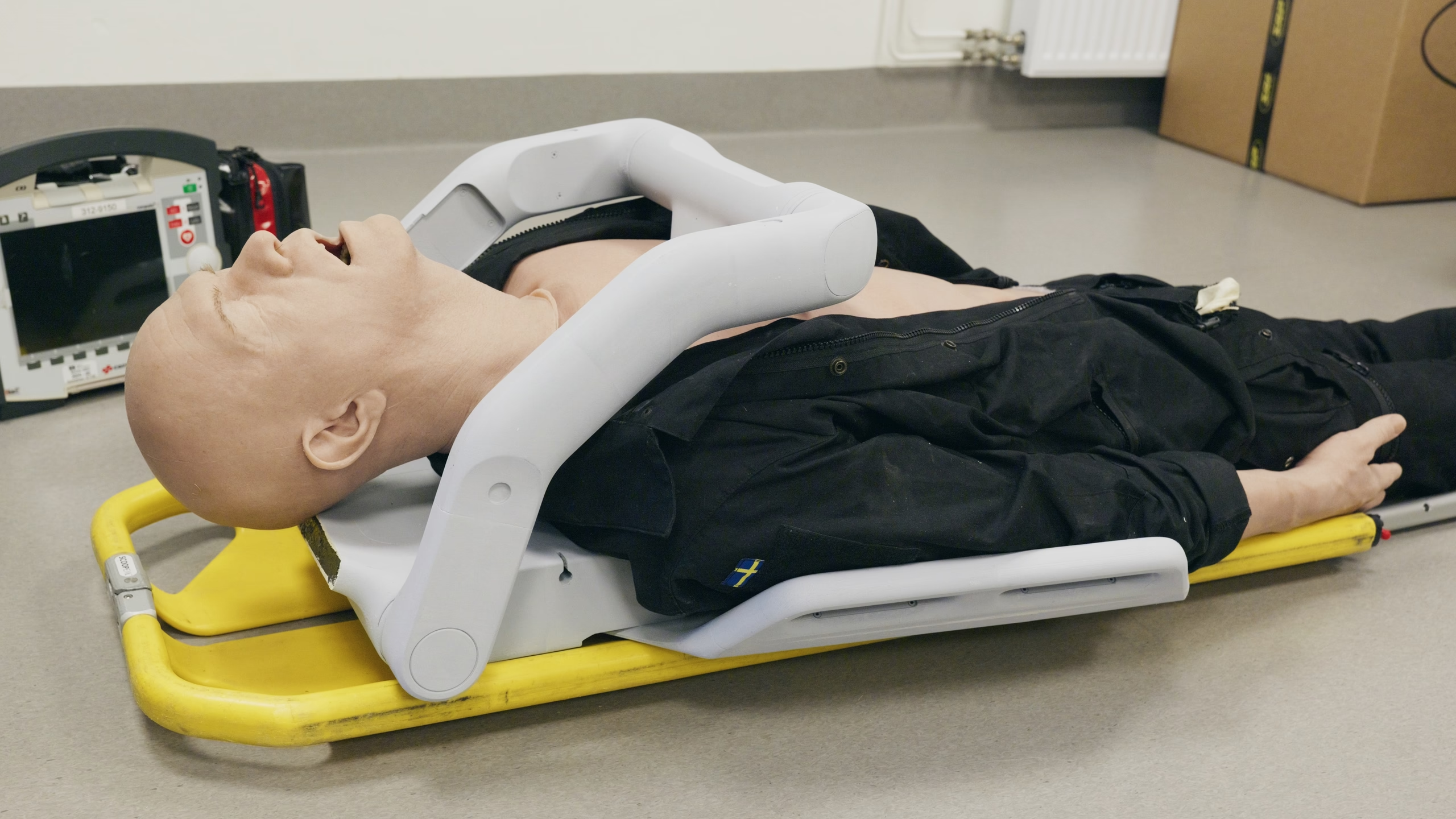
Combining the compression device and defibrillator into a single unit removes the cables and separate hardware that slow deployment. LifeLine is carried as one system and in place in seconds.
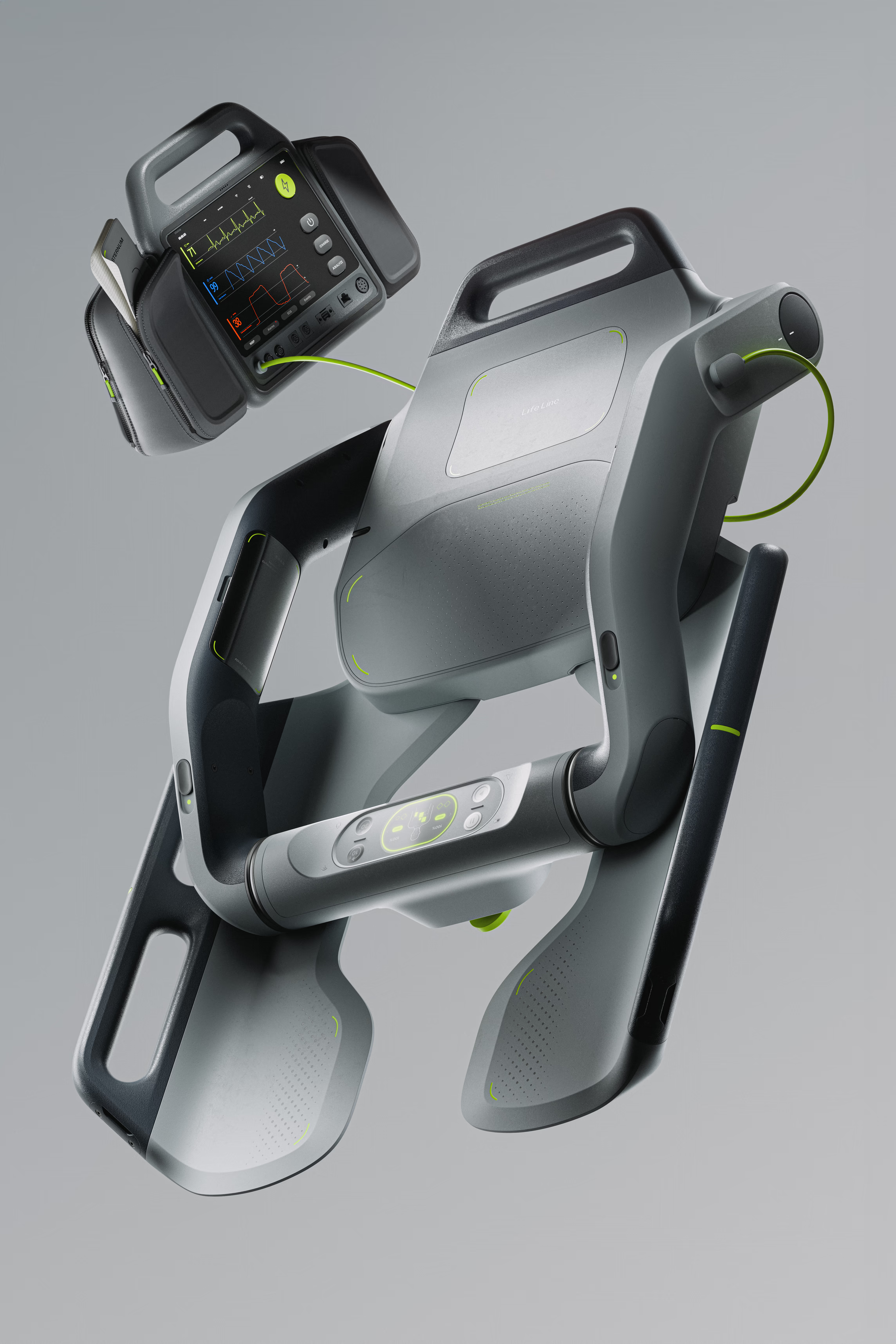
Compression Machine
Robust, lightweight, and precisely controlled
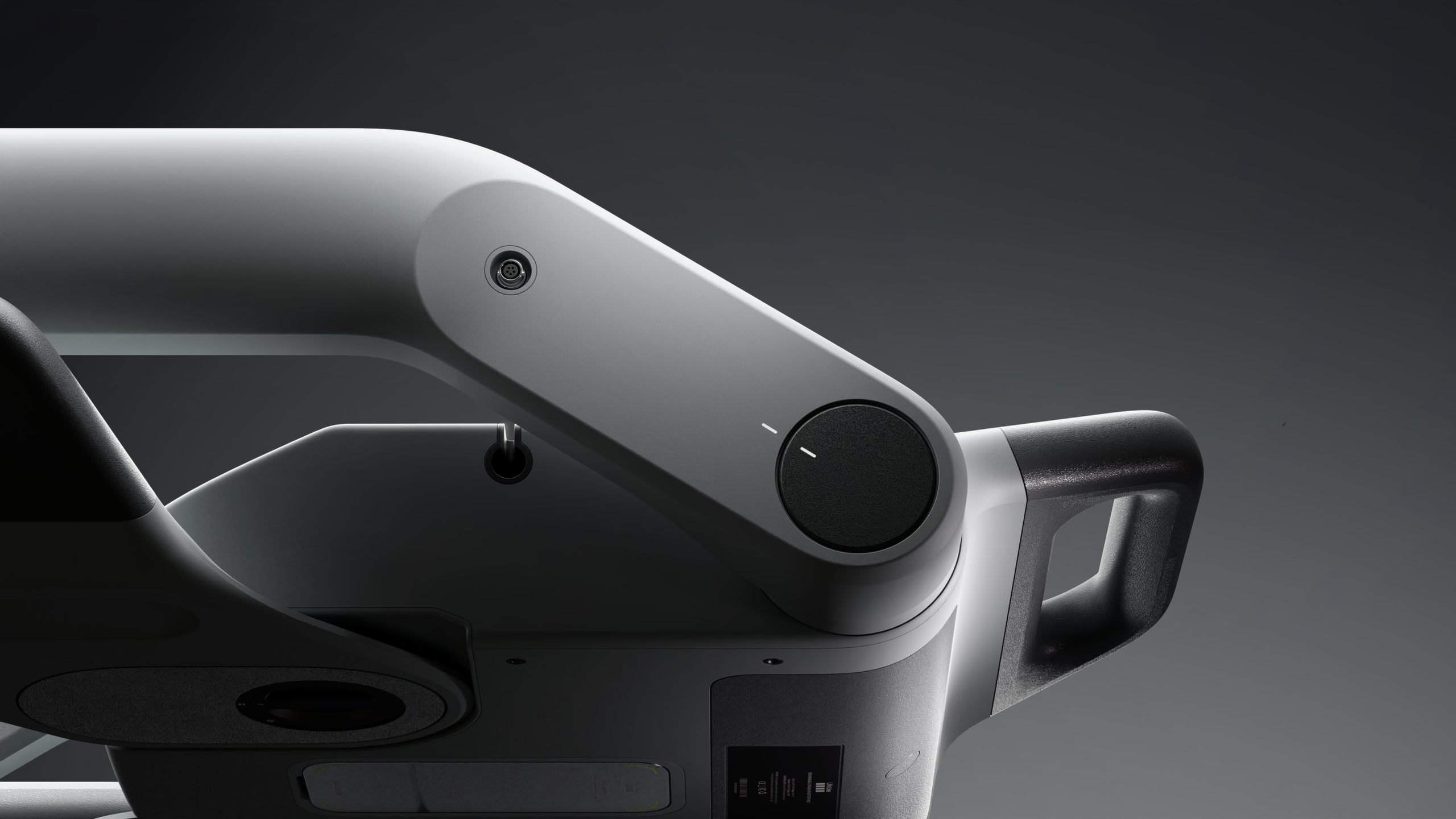
Two sliders on each arm control deployment and locking, giving paramedics clear tactile confirmation before compression begins.


Integrated Pad System
Defibrillation pads ready for instant deployment
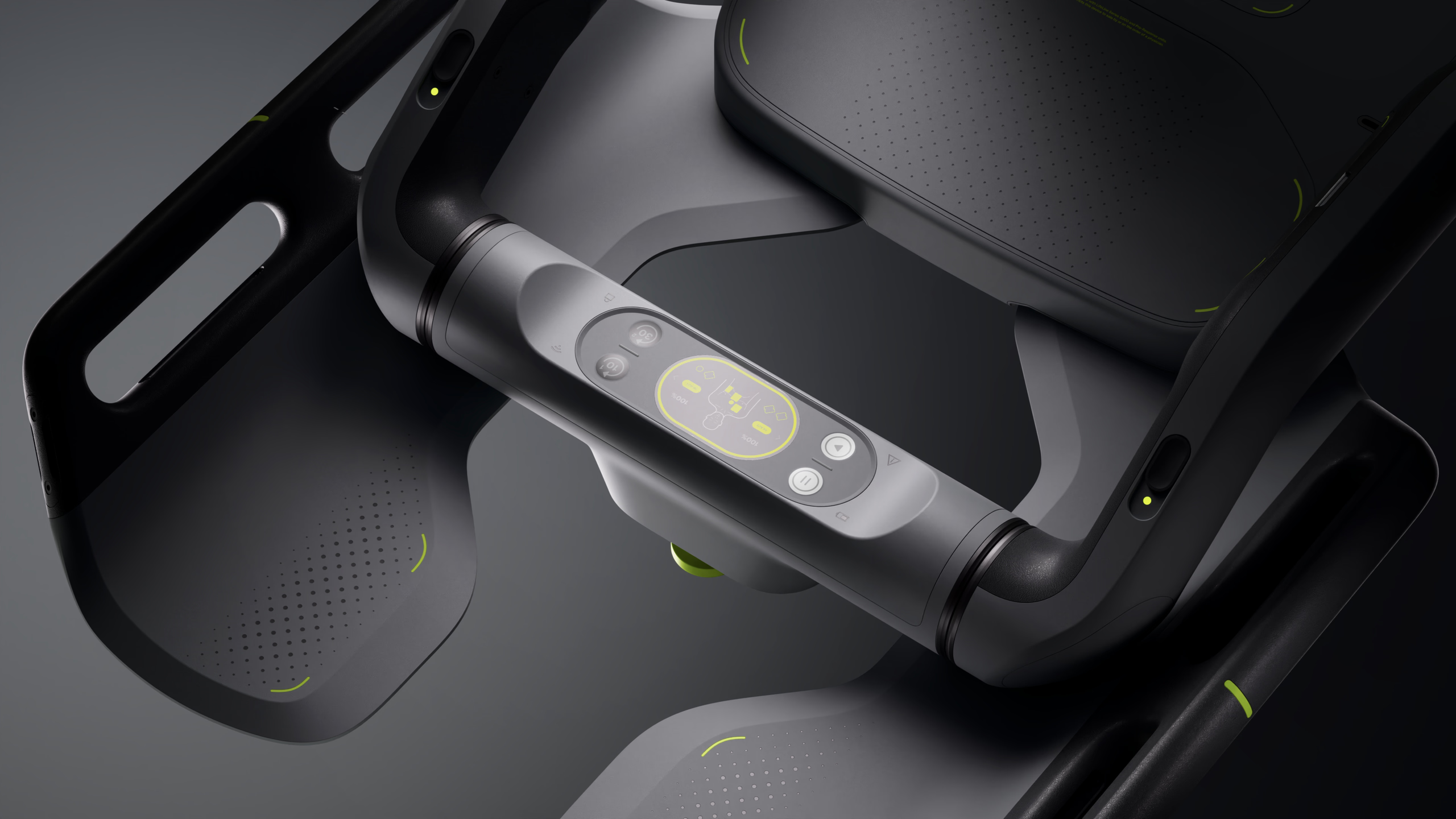
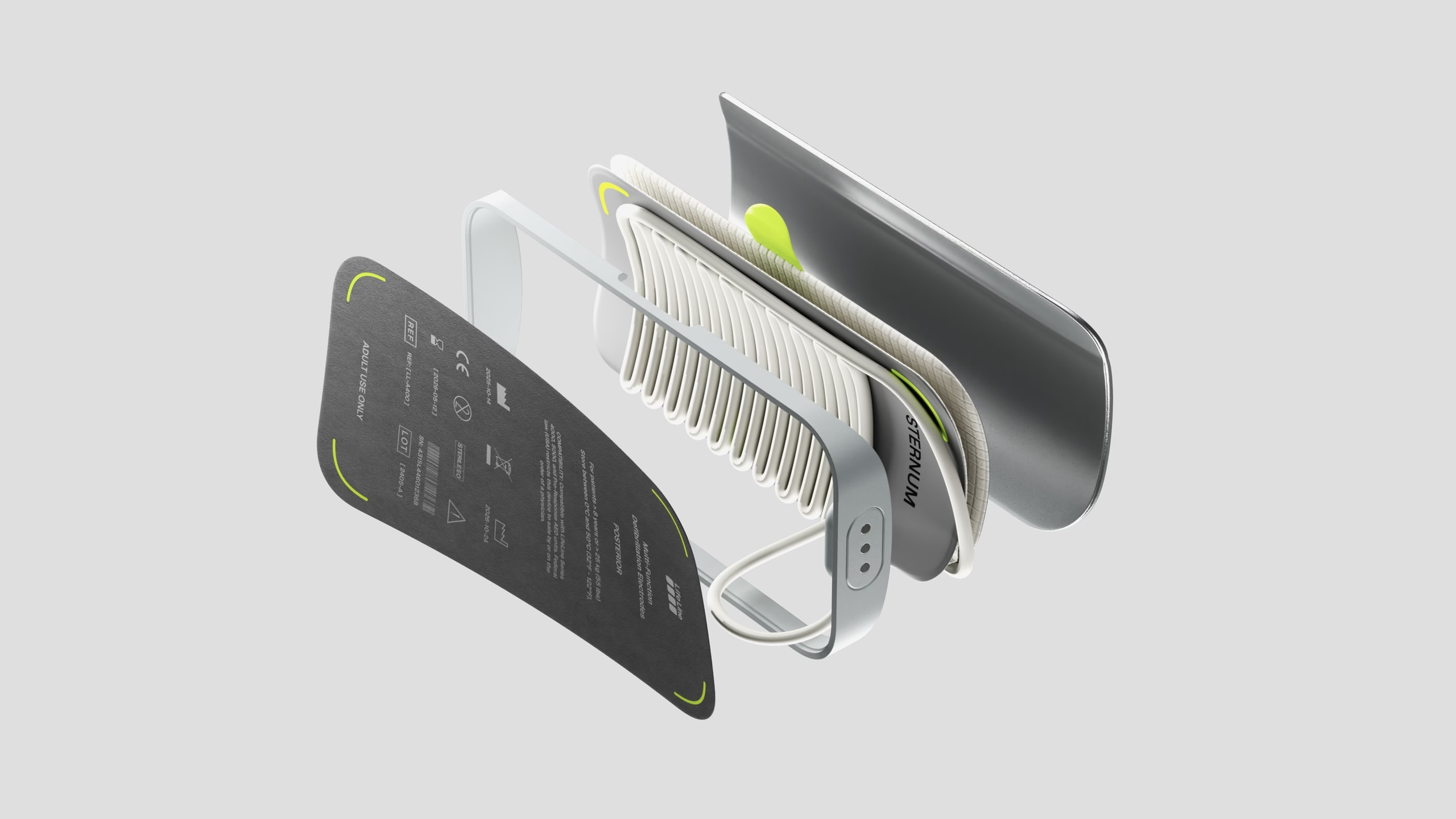
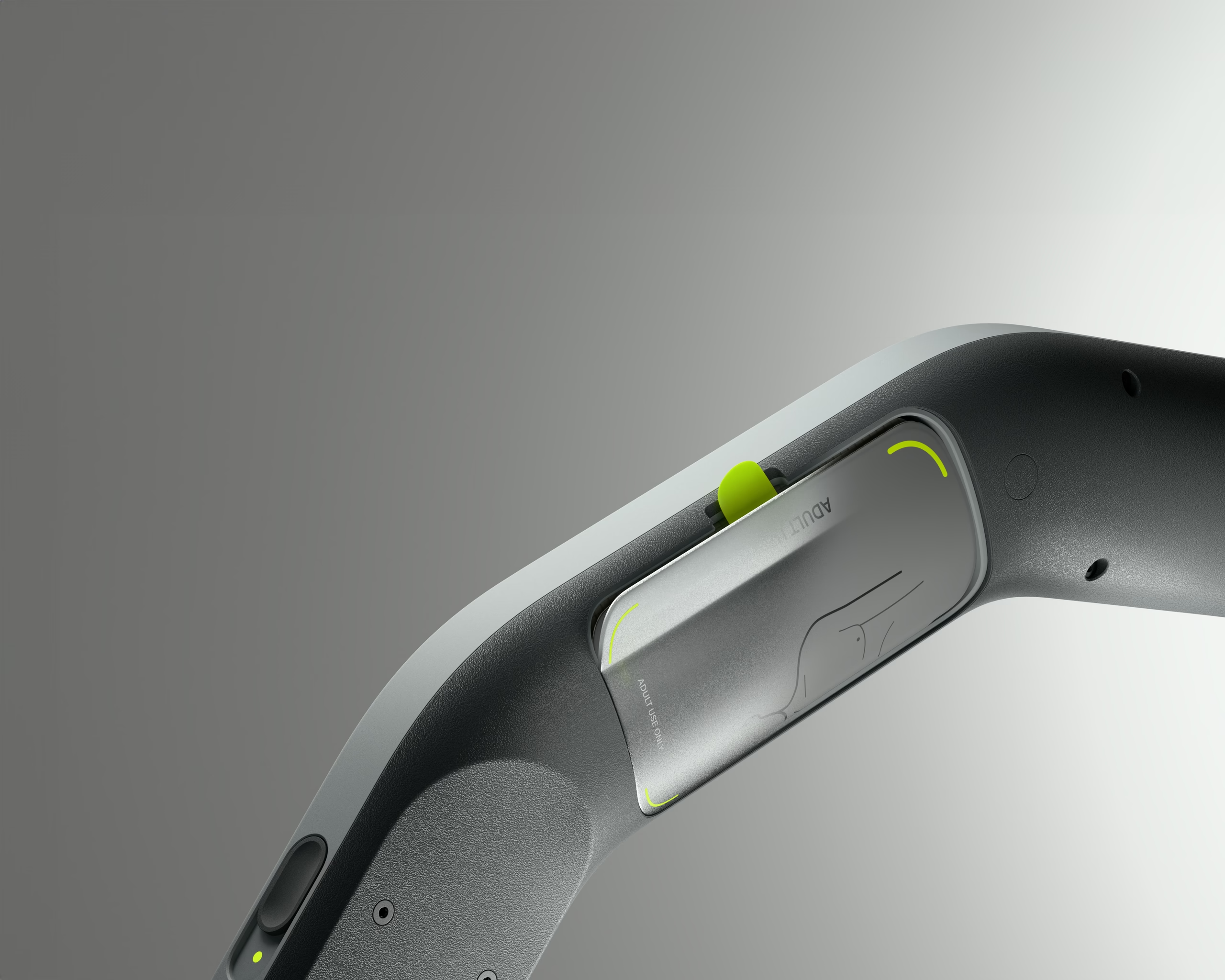
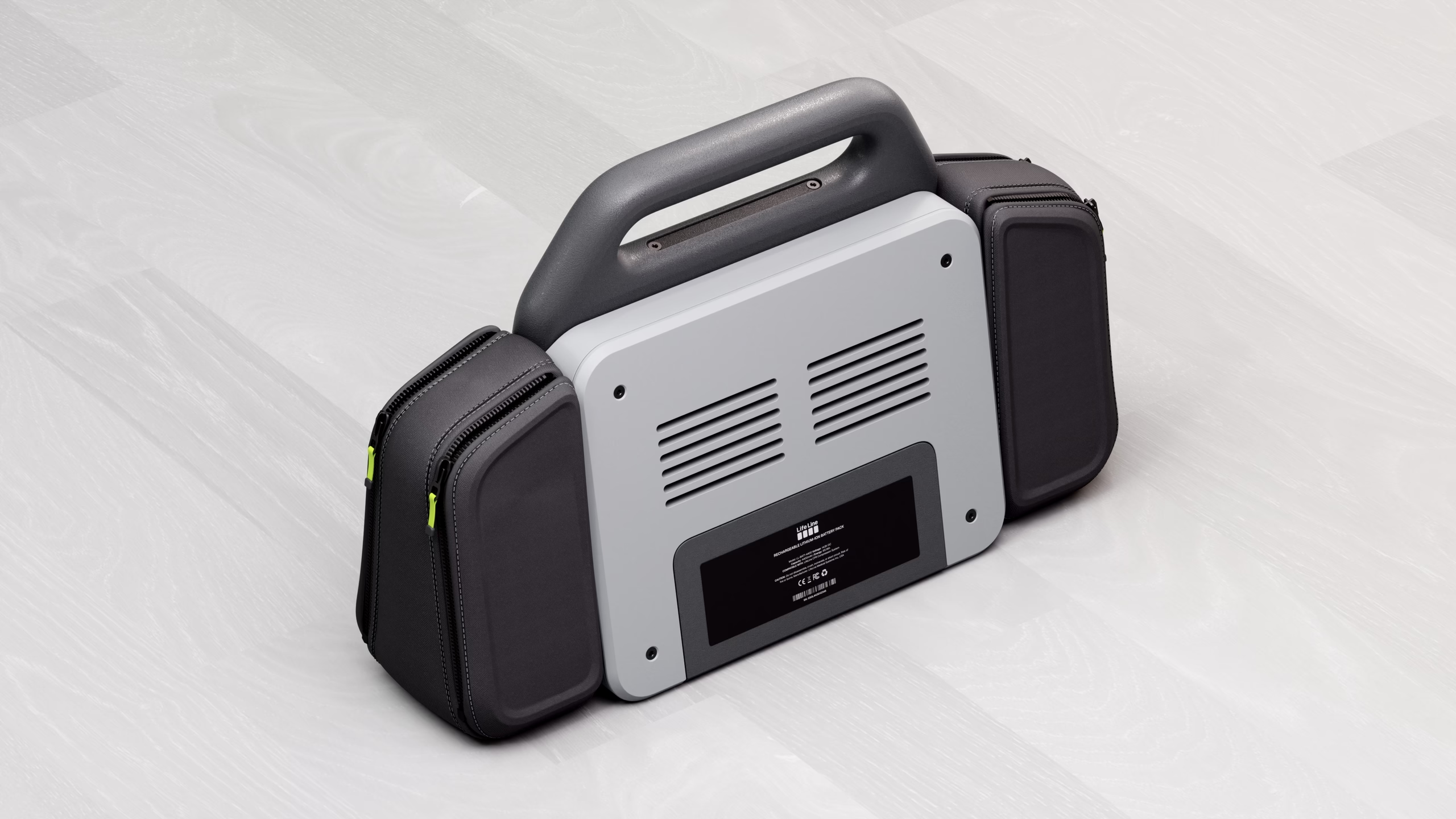
Electrode pads are folded and stored in custom canisters built into the arms and back of the device. Pulling the green tab deploys them in one motion; replacing used pads is just as fast.
Defibrillator
Synchronized for double sequential defibrillation
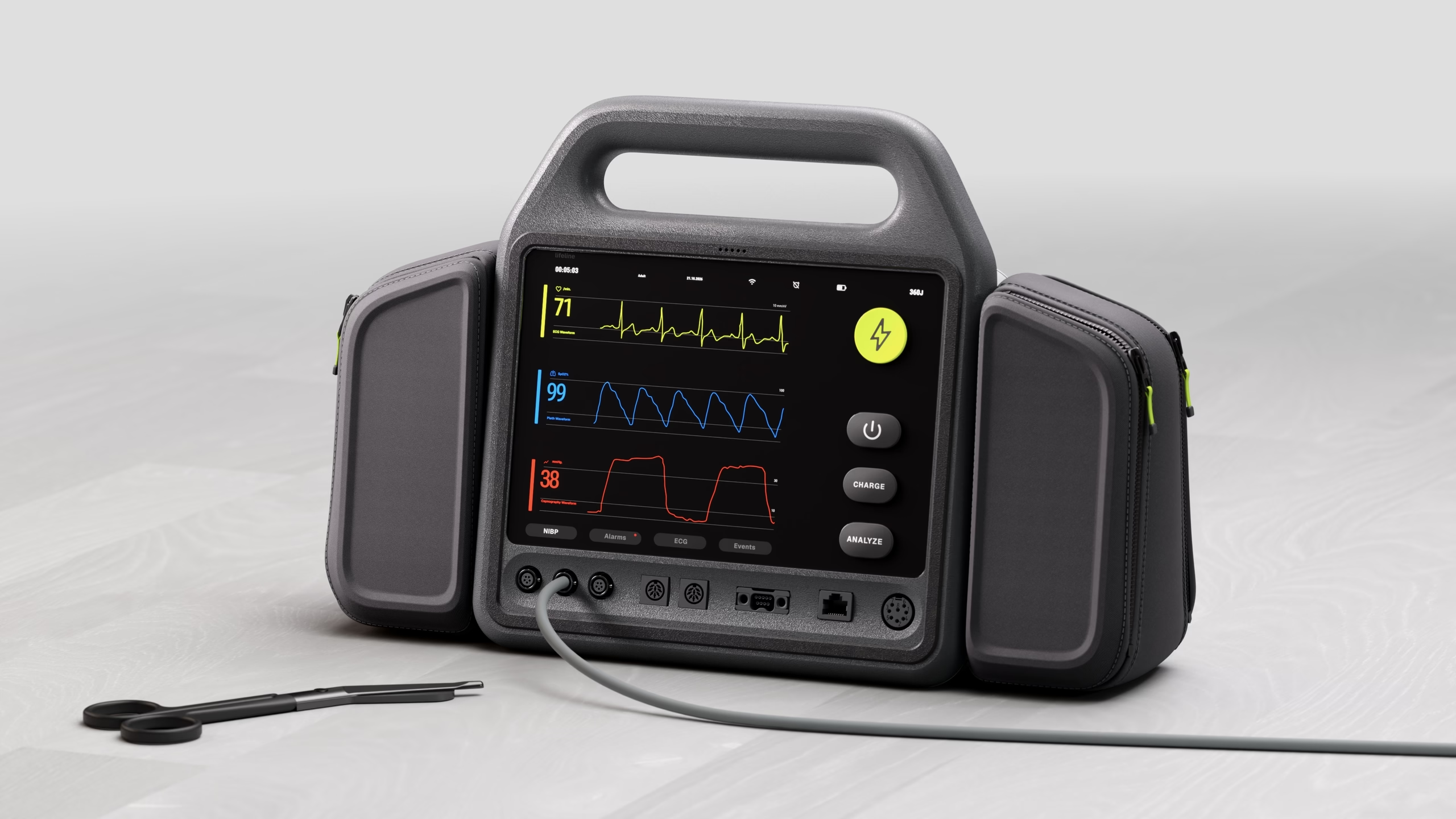
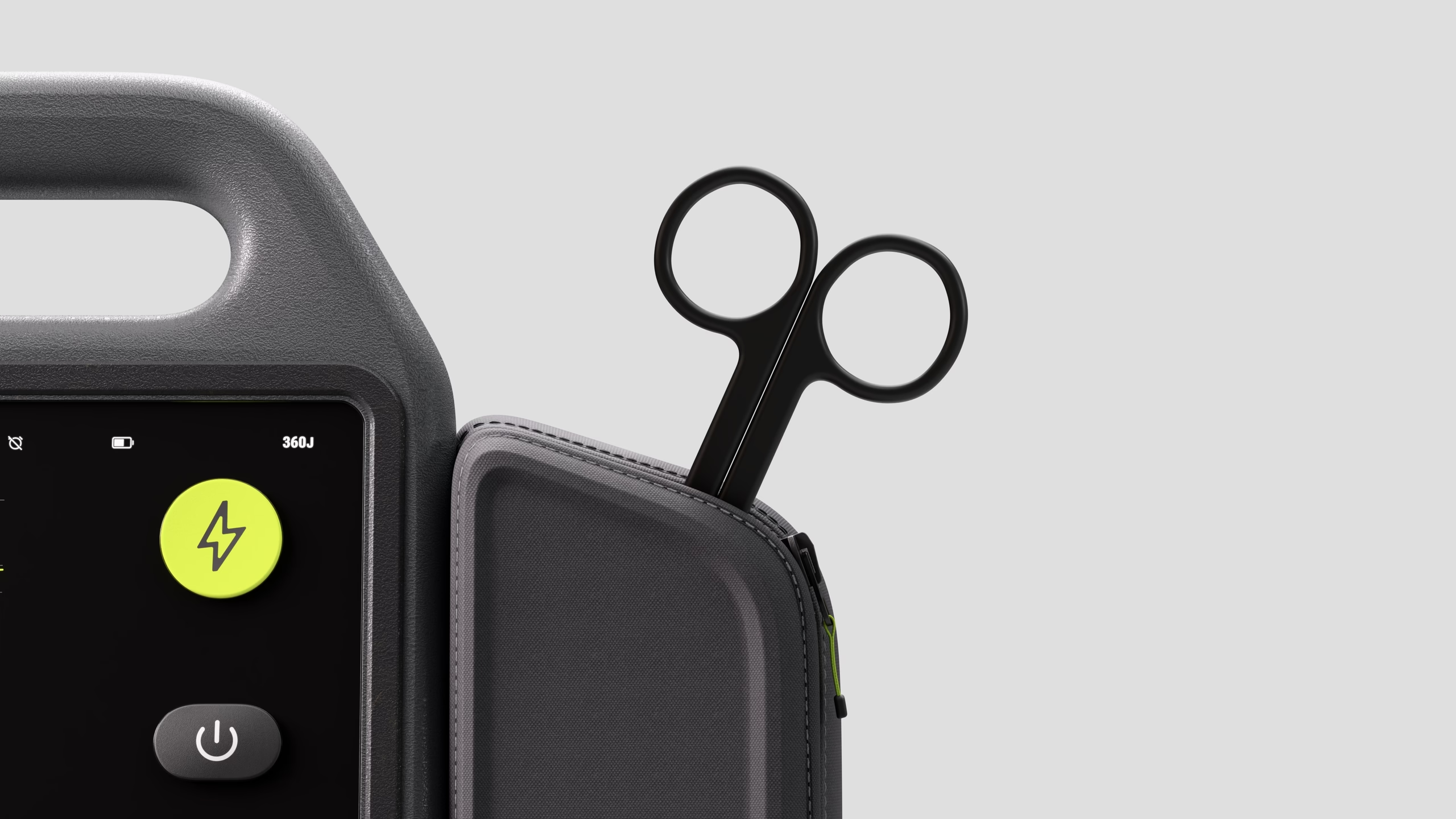
Paired with the compression machine, the defibrillator coordinates shock delivery through both the integrated sternum electrode and external pads. This makes DSED possible in pre-hospital care for the first time.
Process & Prototyping
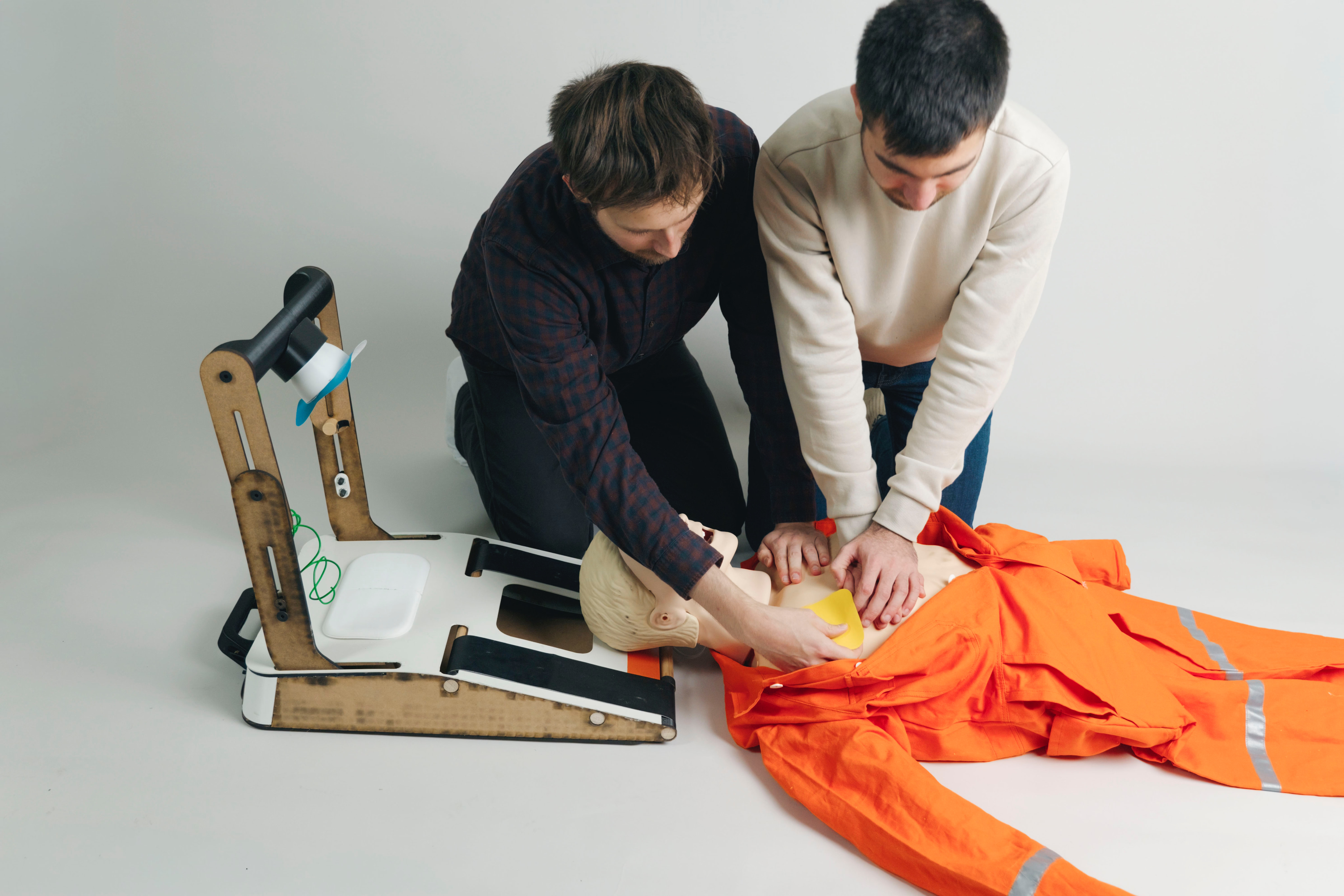
Testing and Iteration
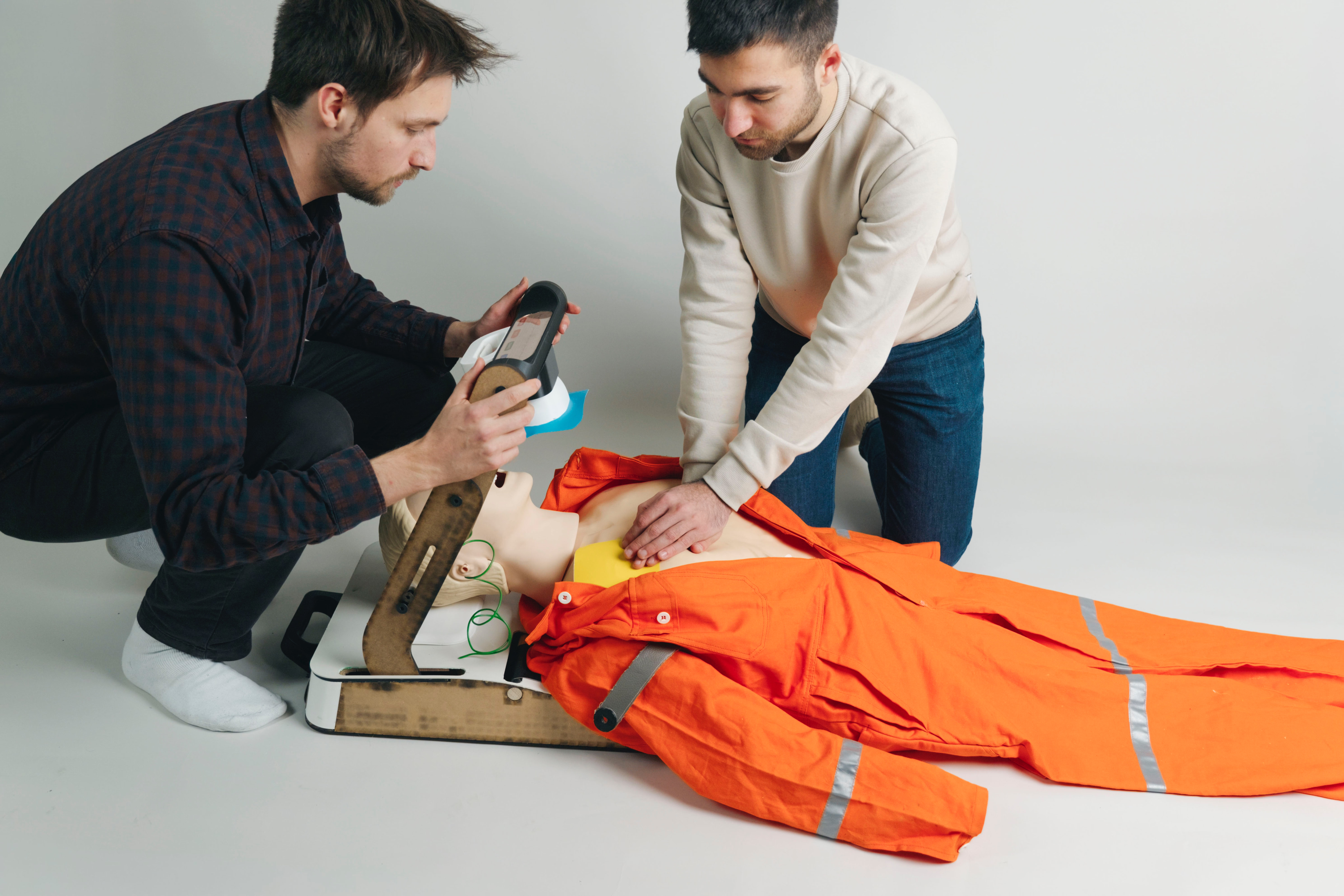
Early tests showed that sliding a backboard fully under a patient took too long. That failure led directly to LifeLine's wrap-around arm design. Manikin testing throughout development confirmed the device fits a wide range of body sizes.
Materials & Finishes
Surfaces designed for durability and hygiene
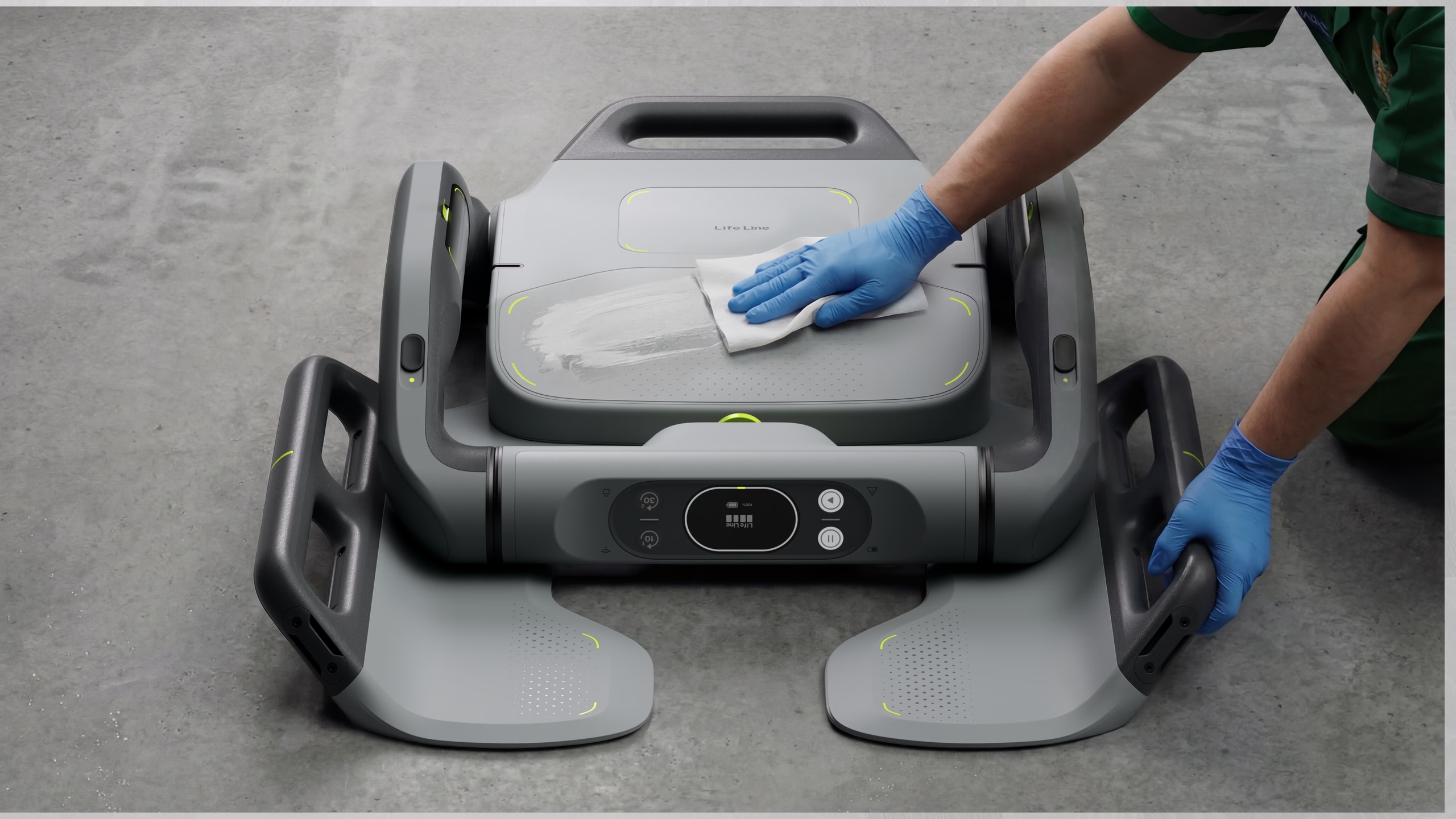
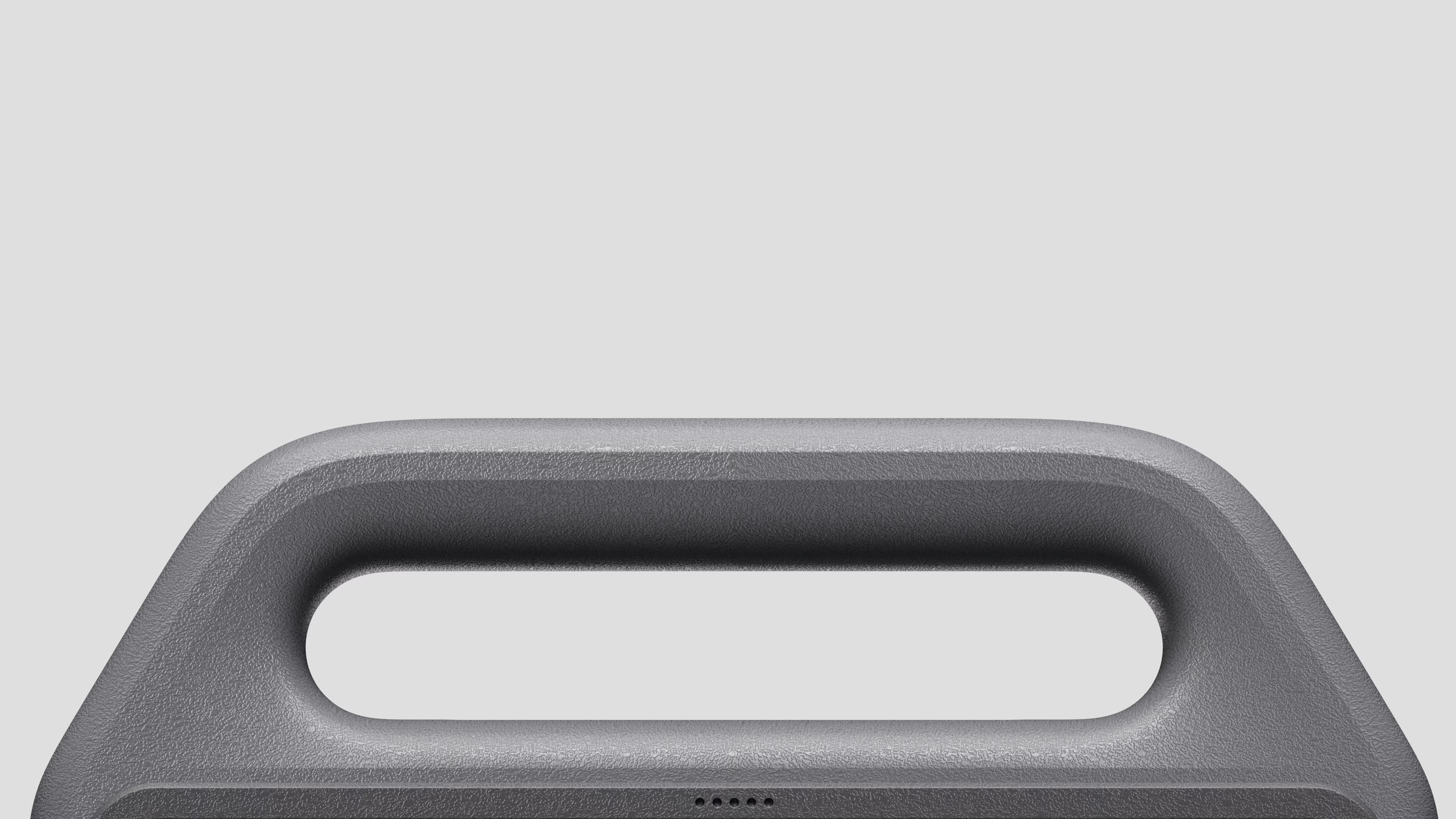
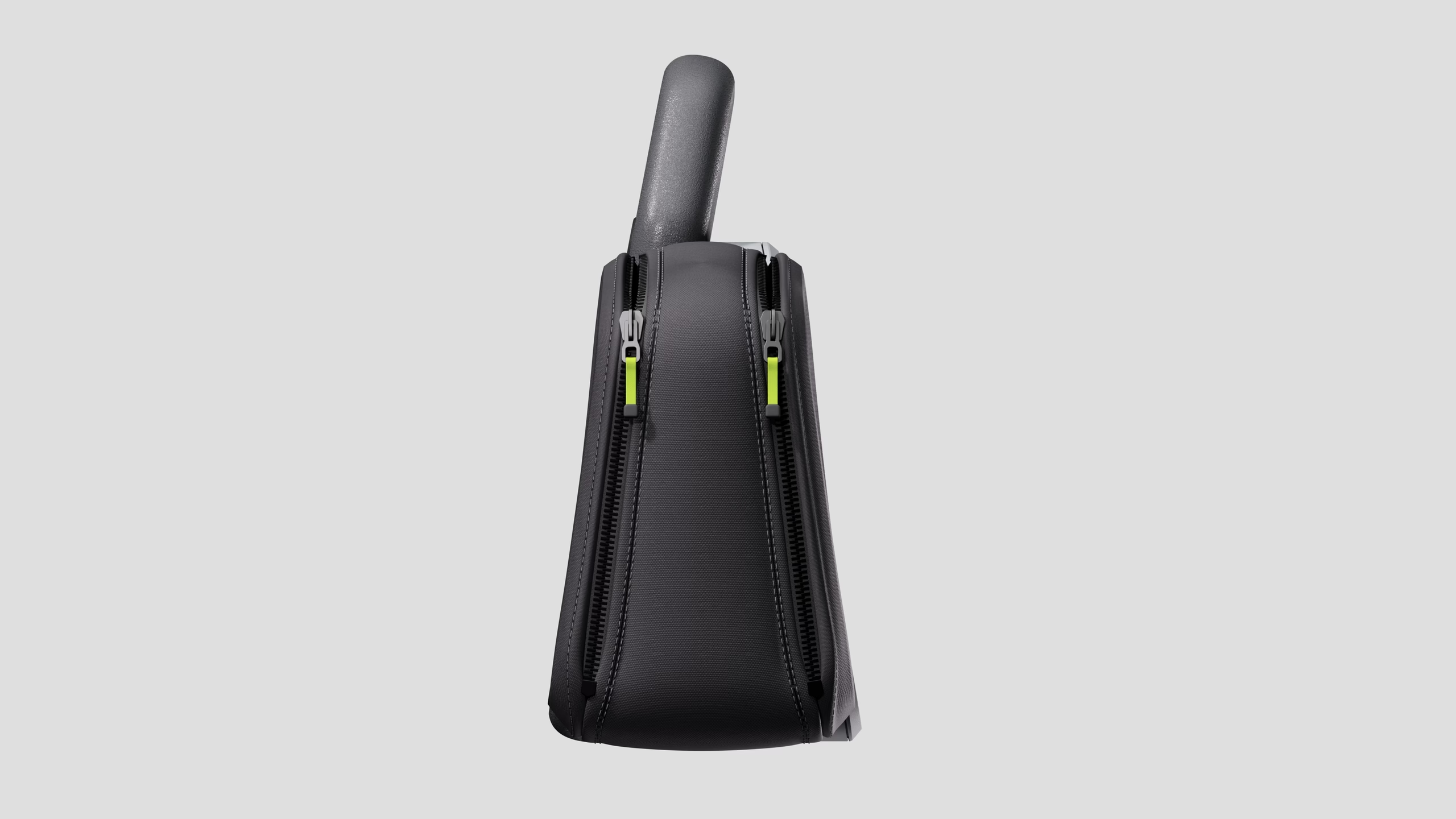
Every surface can be quickly wiped clean between calls. Lime accents mark controls and pull tabs so they read instantly under any conditions.