Redefining the Lifecycle of Mine Waste
concept
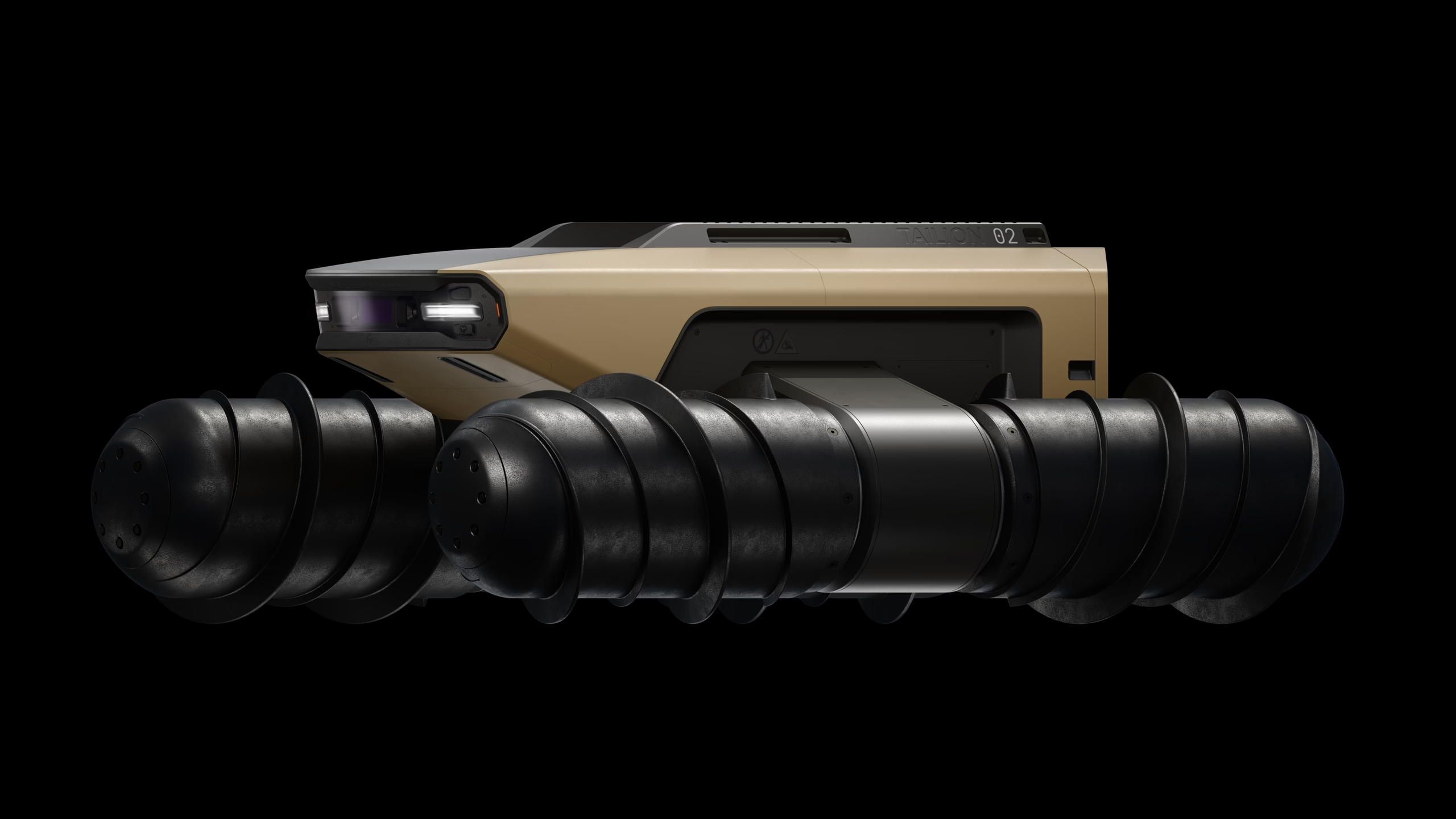
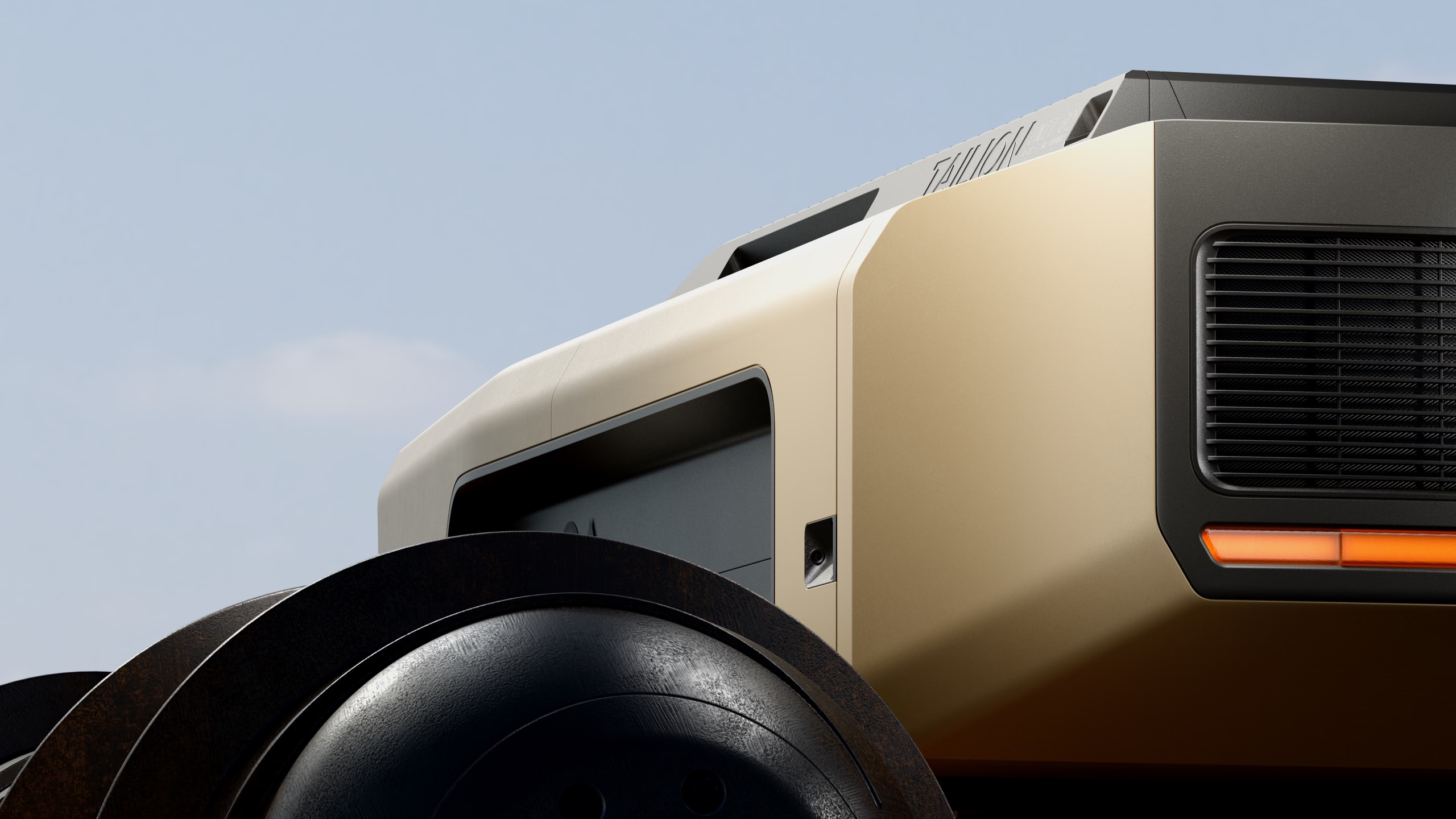
Tailion is a screw-propelled autonomous vehicle envisioned as a ten-year ecosystem for tailings storage facilities. Built around a modular architecture and operated via remote supervision, it navigates extreme tailings terrain to carry out monitoring, maintenance, and mineral re-extraction, transforming one of mining's largest environmental liabilities into a profitable asset.
info
Umeå Institute of Design
Epiroc
2026
Nicolò Vincenzi
context
The trajectory of the mining industry is changing,
shaped by new economy trends.
Decarbonization, electrification, and digital infrastructures are redefining what the world needs from the ground.
Touchscreen
Indium
Tin
Silica
Aluminum
Yttrium
Europium
Logic Board
Silicon
Copper
Gold
Tantalum
Tin
Silver
Touchscreen
Indium
Tin
Silica
Aluminum
Yttrium
Europium
Logic Board
Silicon
Copper
Gold
Tantalum
Tin
Silver
Battery
Lithium
Cobalt
Graphite
Aluminum
Nickel
Manganese
Camera
Sapphire Crystal
Lanthanum
Gold
Silicon
Copper
Ceramic
Taptic Engine
Tungsten
Neodymium
Dysprosium
Copper
Iron
Cobalt
Speaker
Neodymium
Praseodymium
Gadolinium
Copper
Aluminum
Iron
Chassis
Aluminum
Magnesium
Titanium
Iron
Copper
Silica
Charger
Copper
Neodymium
Gold
Tin
Nickel
Silicon
Evolving our mineral requirements
Demand increase in the last 50y
The mining industry is unable to keep up with this accelerated demand
Strategic mineral demand is accelerating, but the mining industry is caught between two compounding failures: output from existing mines has plateaued, while new operations take longer and face harder barriers to approval. Together, these pressures are creating a structural supply deficit the industry cannot close with current approaches.
Current Policies
Sustainable Development
Closure & Rehabilitation
is the most neglected step in the process
- 1
8-10+ years
Exploration
- 2
10+ years
Assessment
- 3
1-3+ years
Development
- 4
10-30+ years
Operations
- 5
4-5+ years
Closure & Rehabilitation
Tailings are a major part in this issue
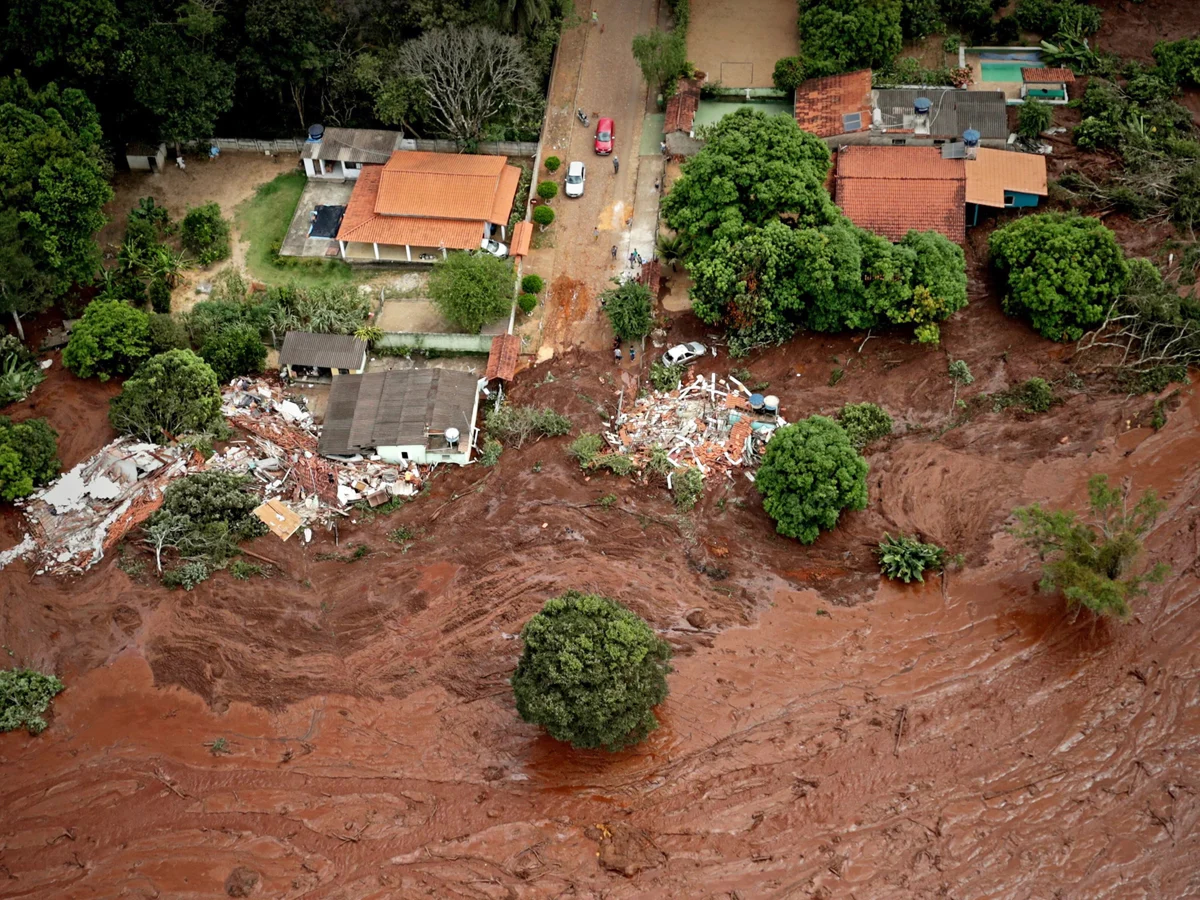
Tailings are a by-product of the metal and mineral extraction process, taking the form of a slurry made of fine metal, crushed rock and water.
Rock containing minerals and metals are mined from the earth and processed to separate the minerals and metals.
The mined rock is finely ground and mixed with water and sometimes chemicals to separate minerals and metals.
Once the desired minerals or metals are extracted from the finely ground rock, fines, the waste that remains is in the form of a slurry, known as tailings.
This slurry can be processed to a sand-like material and transported to a dry stack, or pumped in its wet state into a reservoir with a dam.
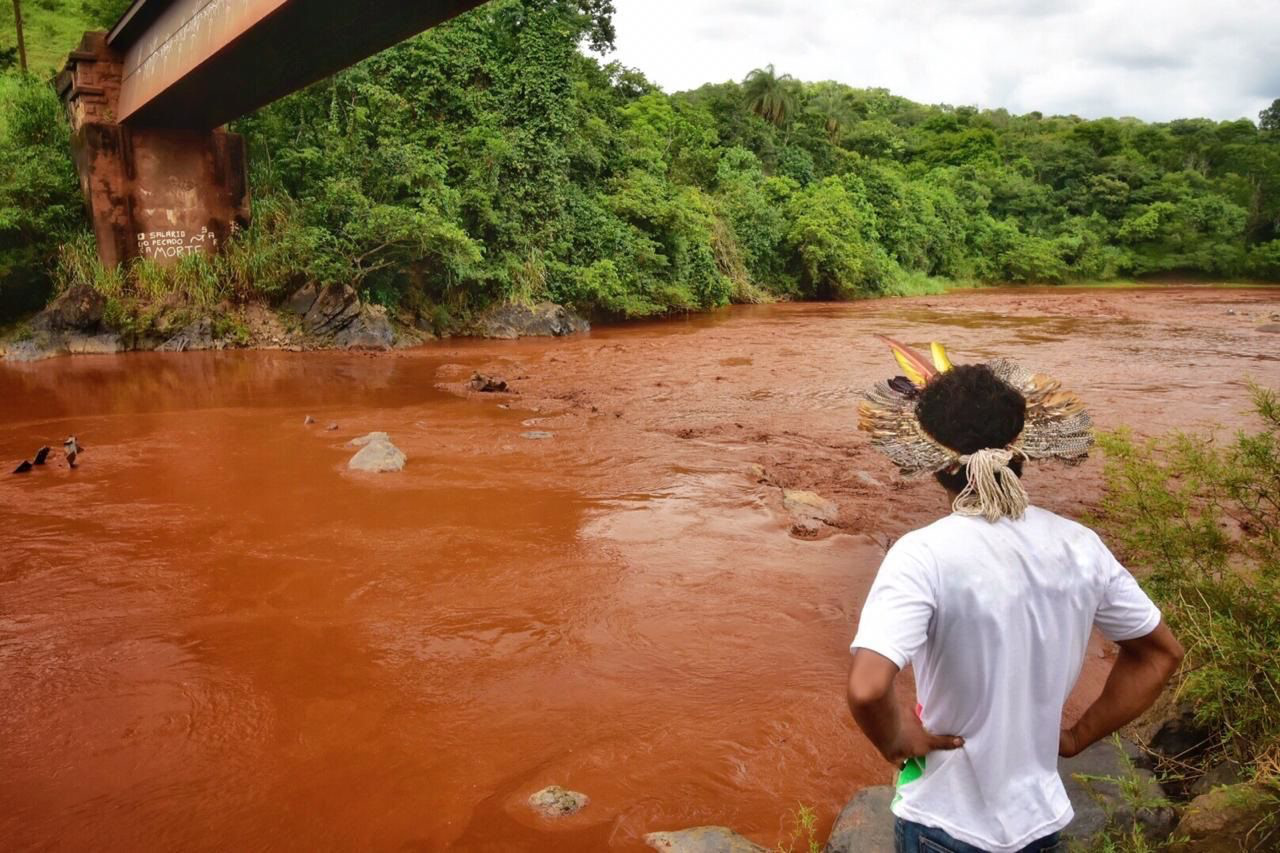
What if we could transform
the liability of tailings,
into a profitable resource?
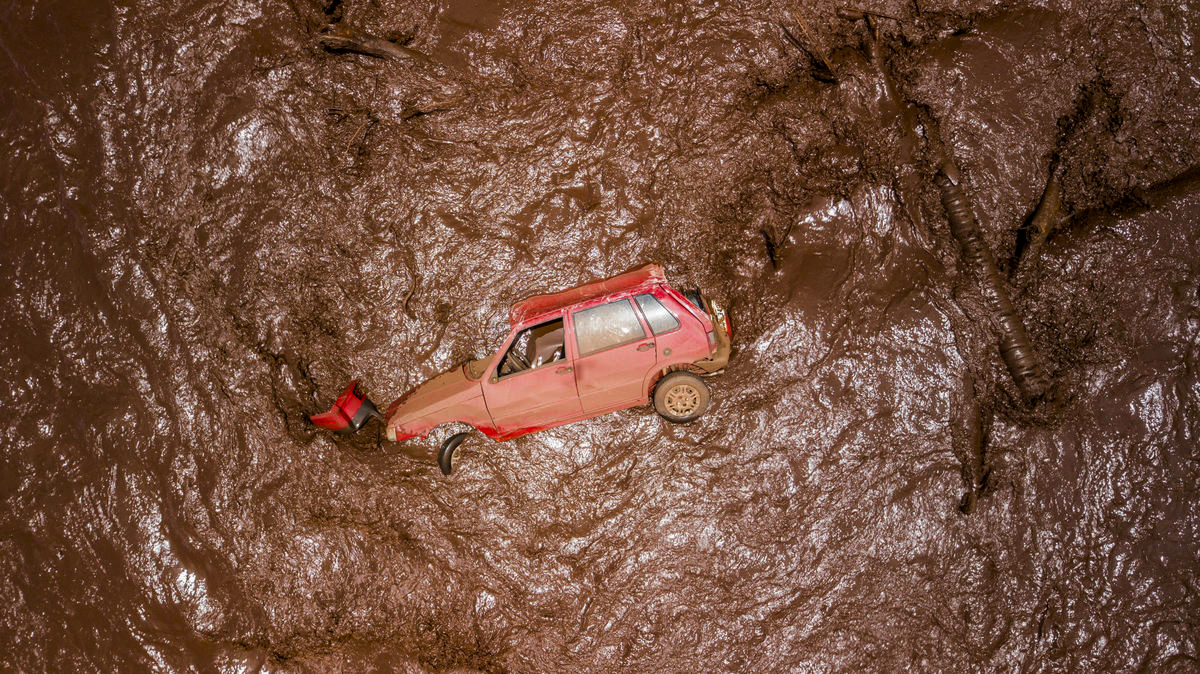
Physical hazards
Fine particles liquefy when saturated. Tailings act like quicksand under load.
Processing residues
Extraction chemicals — like cyanide — can remain in the waste.
Metal contamination
Heavy and radioactive elements can leach into soil and water.
Residual metals
Legacy tailings often hold higher metal grades than modern mines discard.
Coarse material
Coarser sediments can be recovered for construction reuse.
Water
Reprocessing can recover 60–85% of water from old facilities.
Physical hazards
Fine particles liquefy when saturated. Tailings act like quicksand under load.
Residual metals
Legacy tailings often hold higher metal grades than modern mines discard.
Processing residues
Extraction chemicals — like cyanide — can remain in the waste.
Coarse material
Coarser sediments can be recovered for construction reuse.
Metal contamination
Heavy and radioactive elements can leach into soil and water.
Water
Reprocessing can recover 60–85% of water from old facilities.
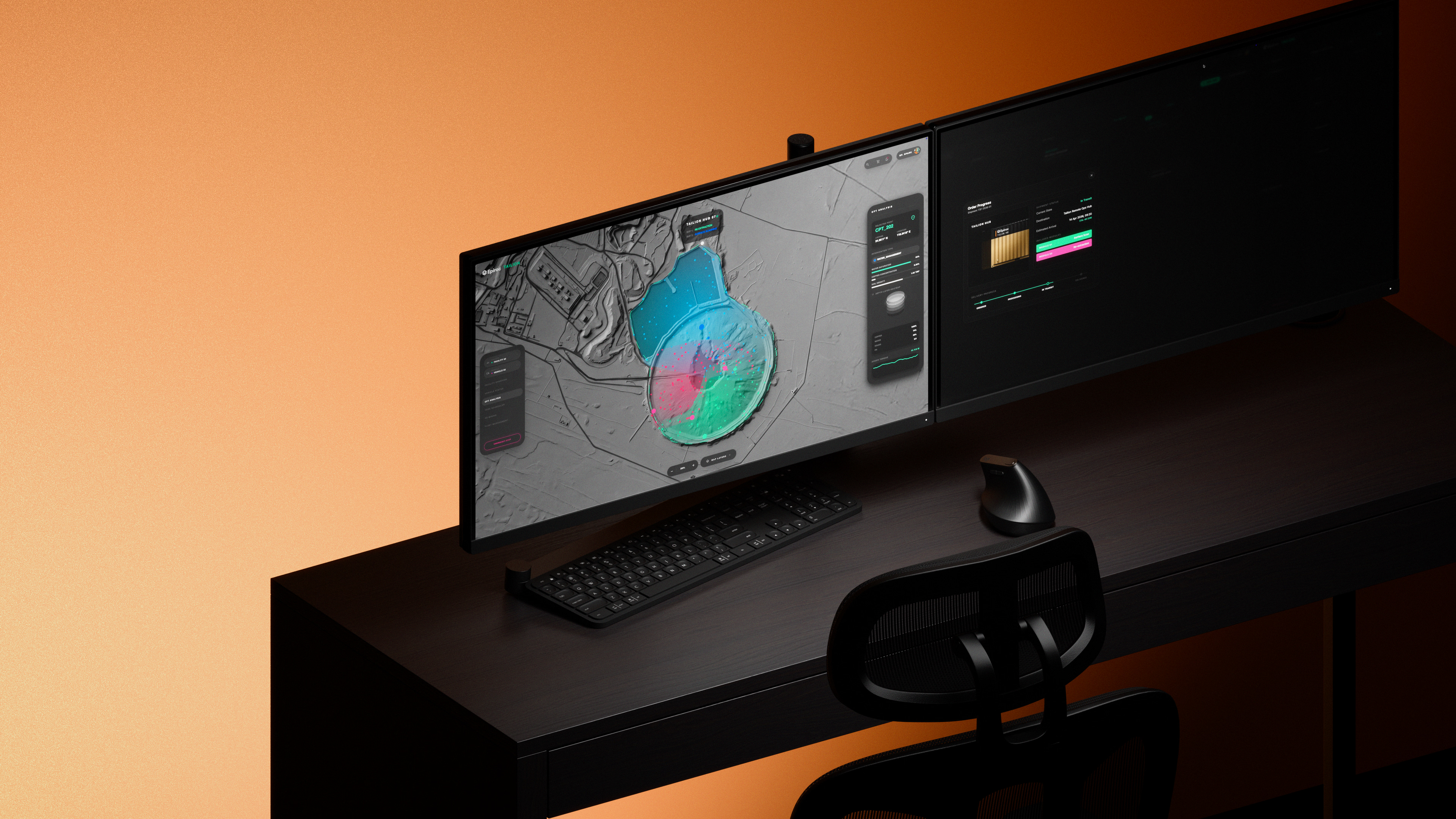
Remote dashboard
An intelligent dashboard determines the unique facility needs
A remote operator can remotely manage the facility and tasks from a safe office space, improving work safety and reducing the problem of mine labour shortage
Tailion HUB
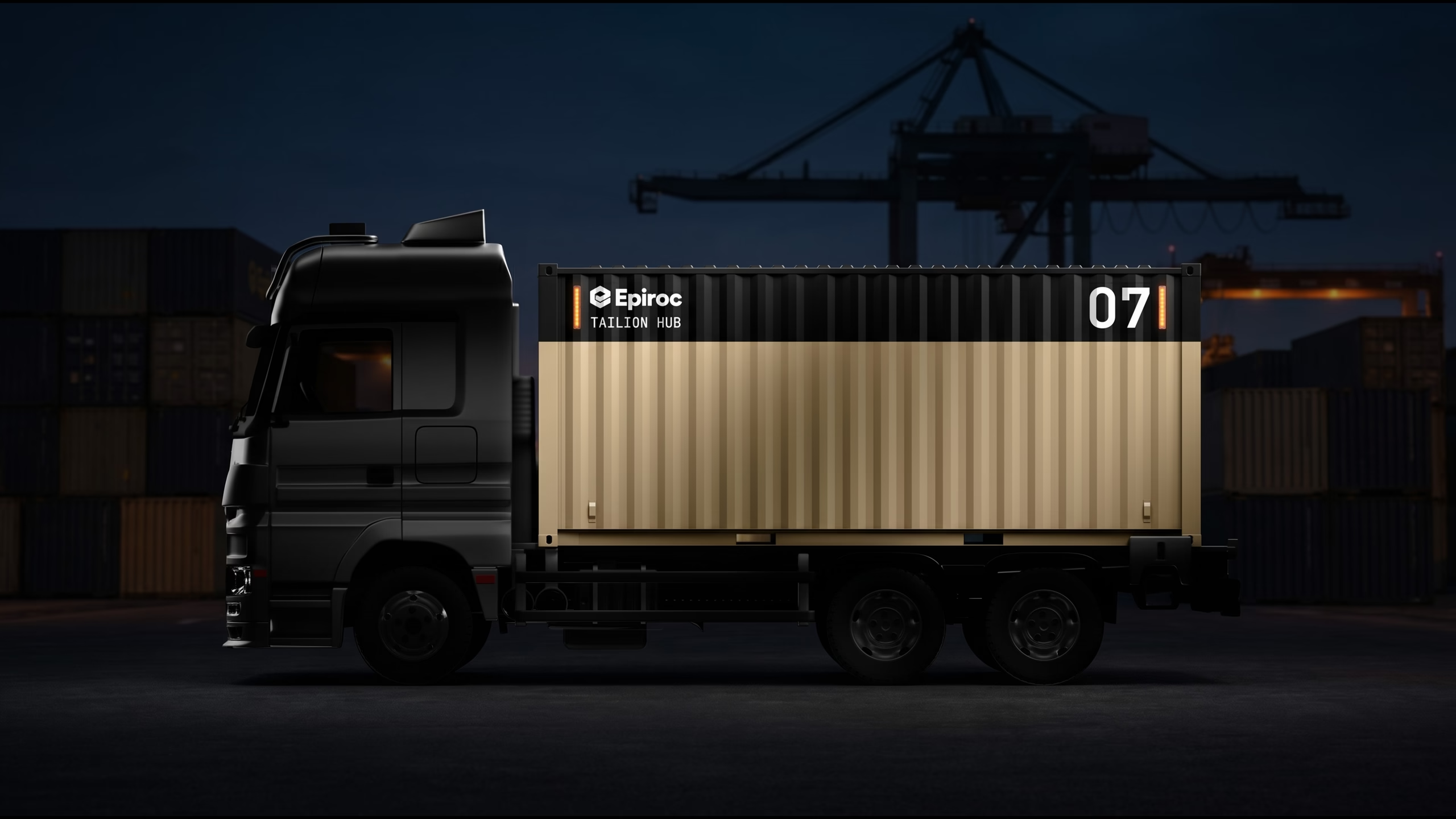
Tailion HUB is shipped
Using standardized containers to make it cost effective, convenient and predictable.
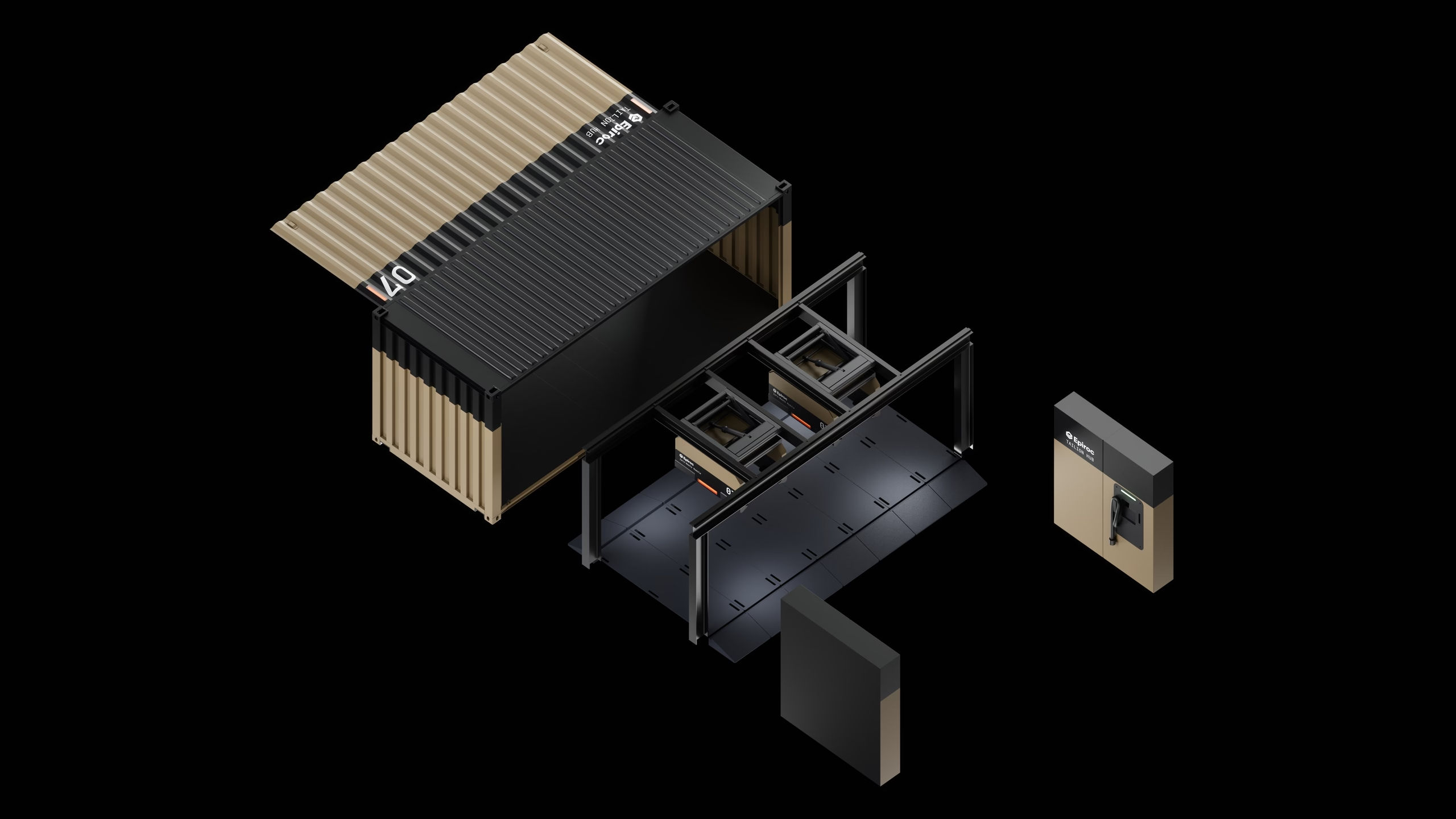
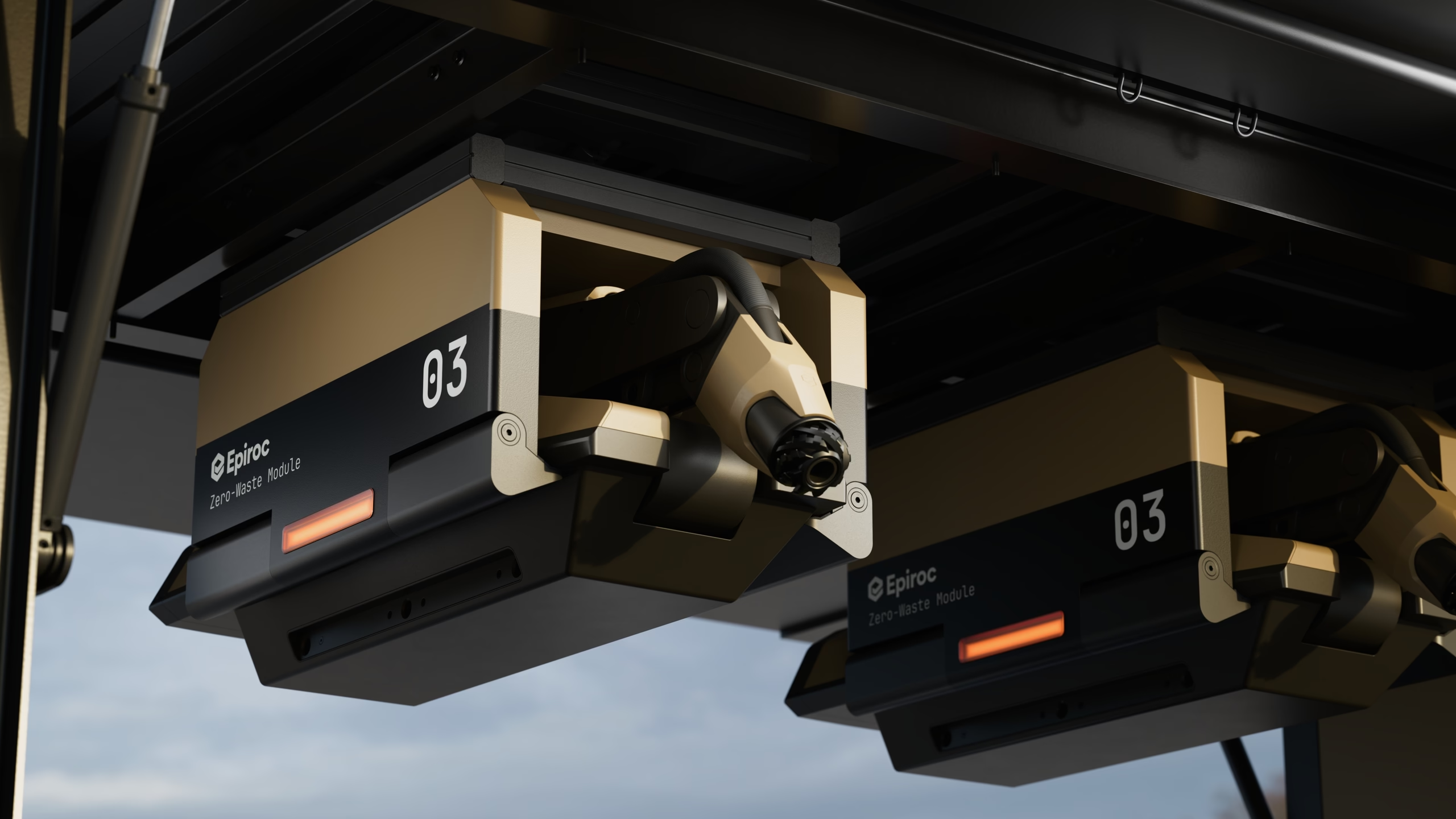
Module loading
Modules for different tasks are installed with a drive-through interaction
A heavy duty mounting bracket on top of the vehicle, guides the different modules in place, when they are lowered from the ceiling of the docking station.
Propulsion system
It's more than just driving from a point A to point B,
the helix propulsion system heals the terrain while doing so
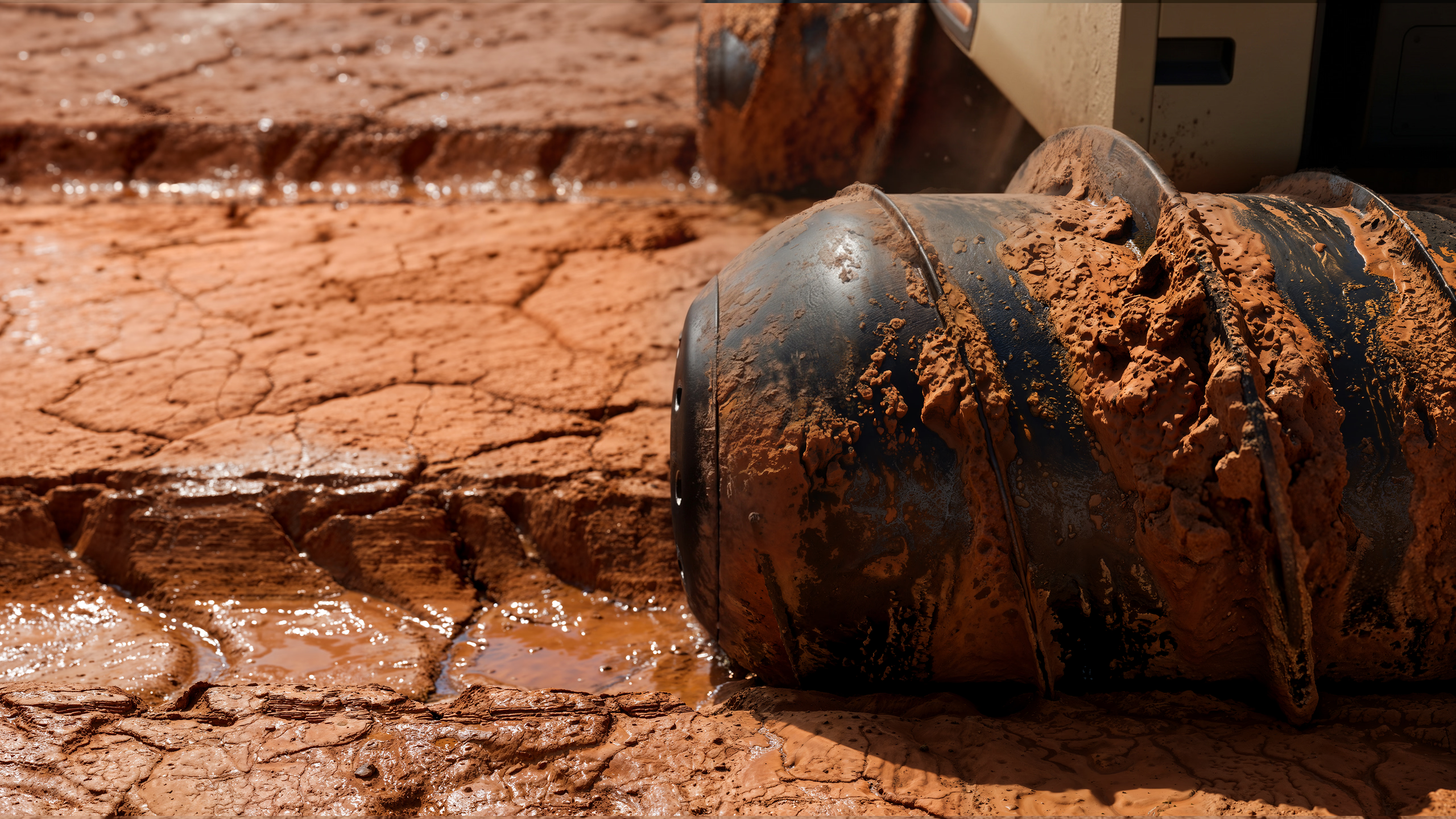
Archimedes screw propulsion makes Tailion a semi-amphibious vehicle, capable of driving on all types of tailings terrain, and passively healing the terrain, by accelerating the water evaporation and consolidation process.
≈2100kg
Optimal total vehicle weight supported
≈4222kg
Absolute maximum displacement
Surface monitoring
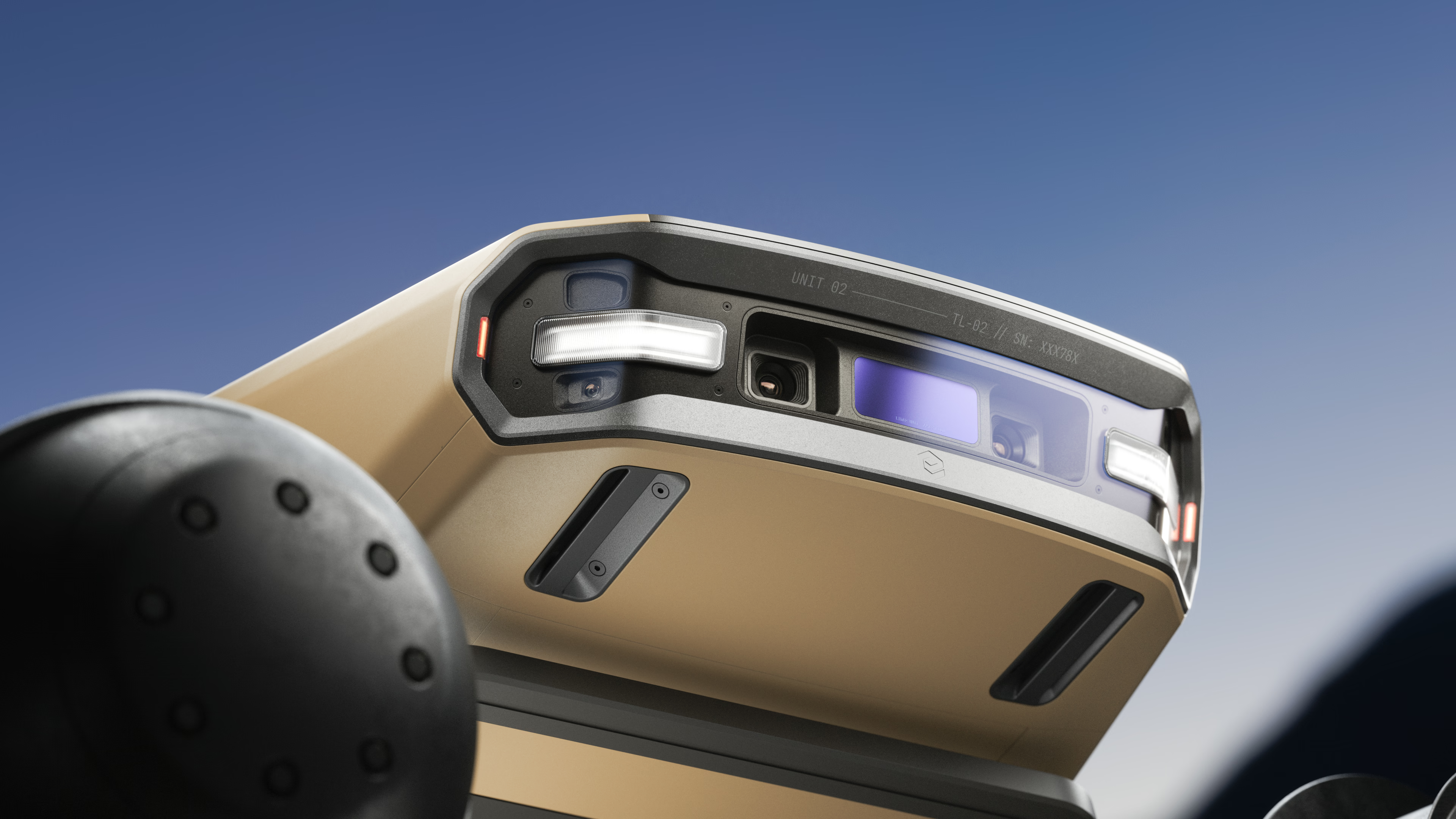
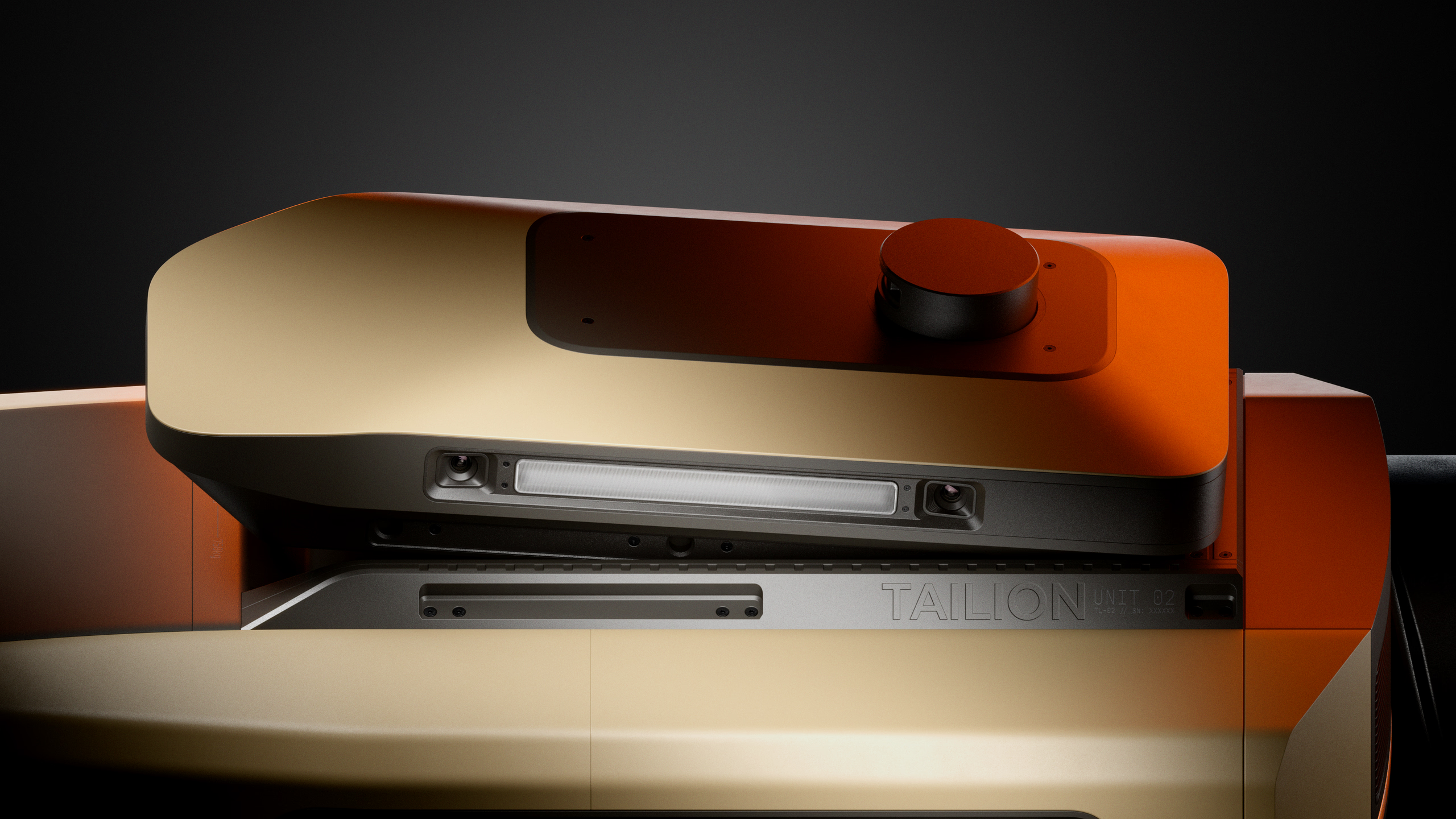
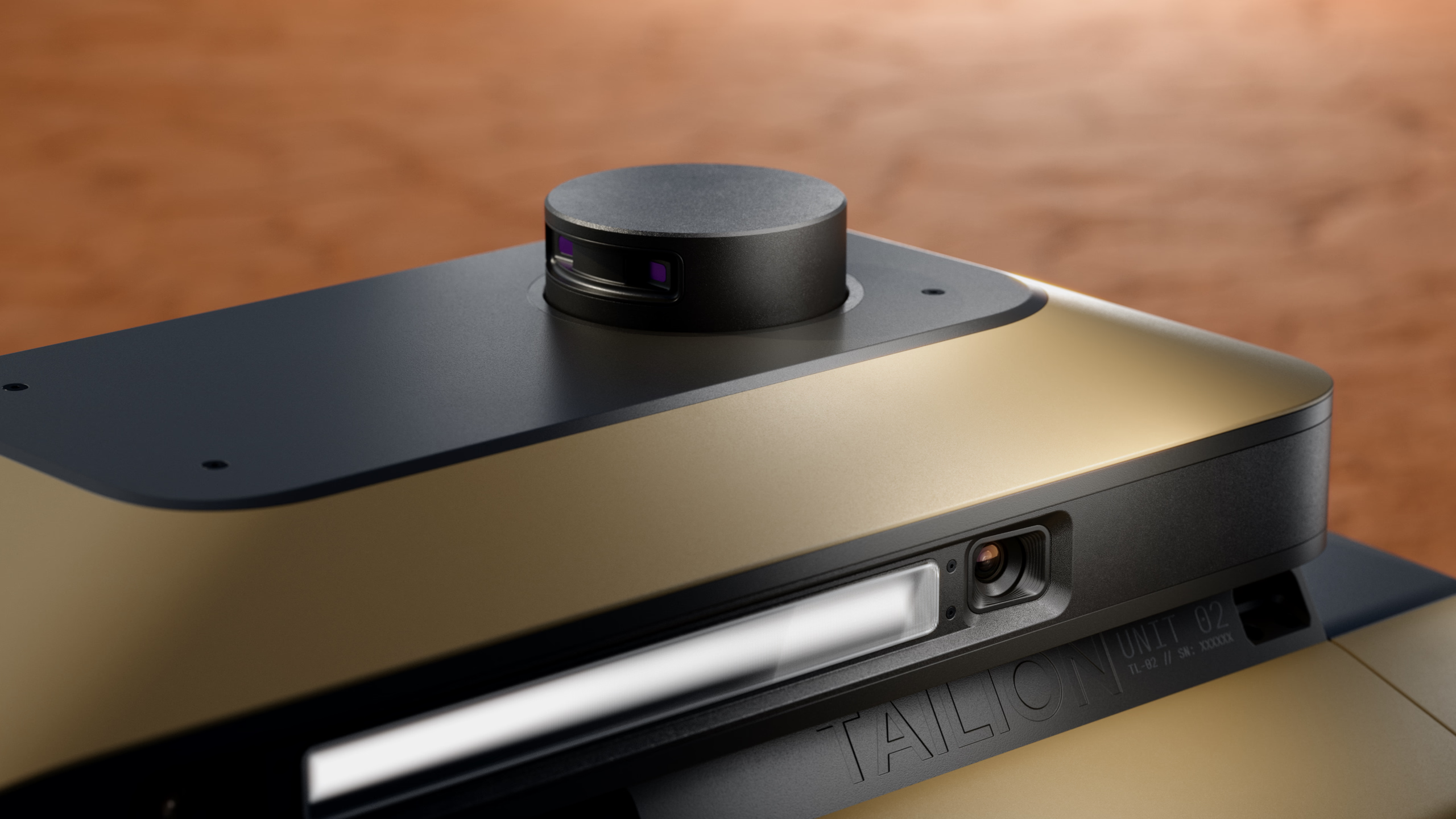
The first module scans the superficial area of the facility, creating a precise digital twin
Thanks to integrated spinning lidar and hyperspectral cameras, the first module approximates the soil water content and composition, determining challenging areas to drive on, optimizing execution times for future tasks.
In-depth analysis
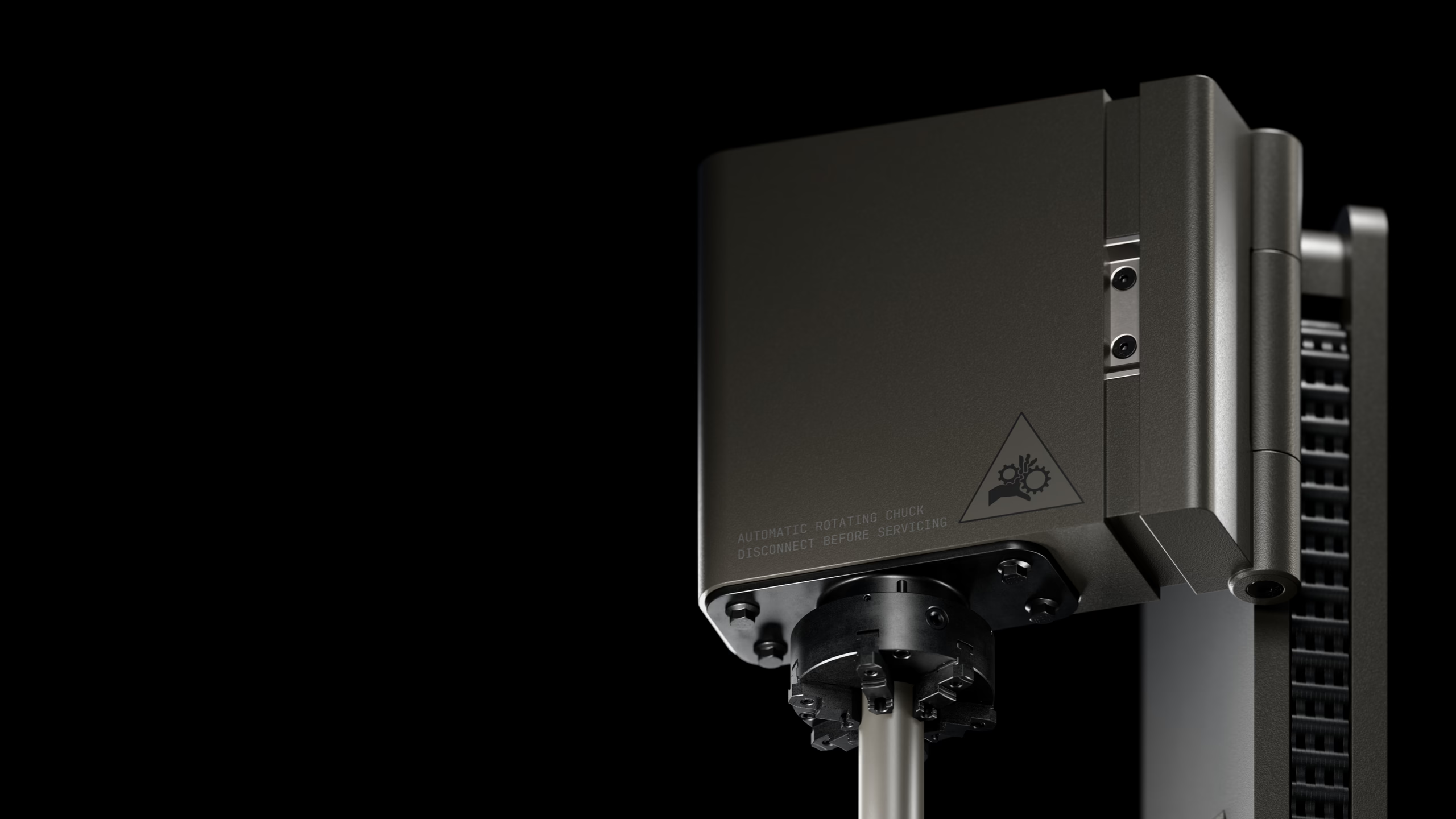
In-depth soil composition & stability analysis
after surface monitoring, the Cone Penetration Test (CPT) module drives a cone into the tailings terrain to measure stability and minerals composition. This helps to divide areas based on intervention urgency and type.
Tailings re-mining
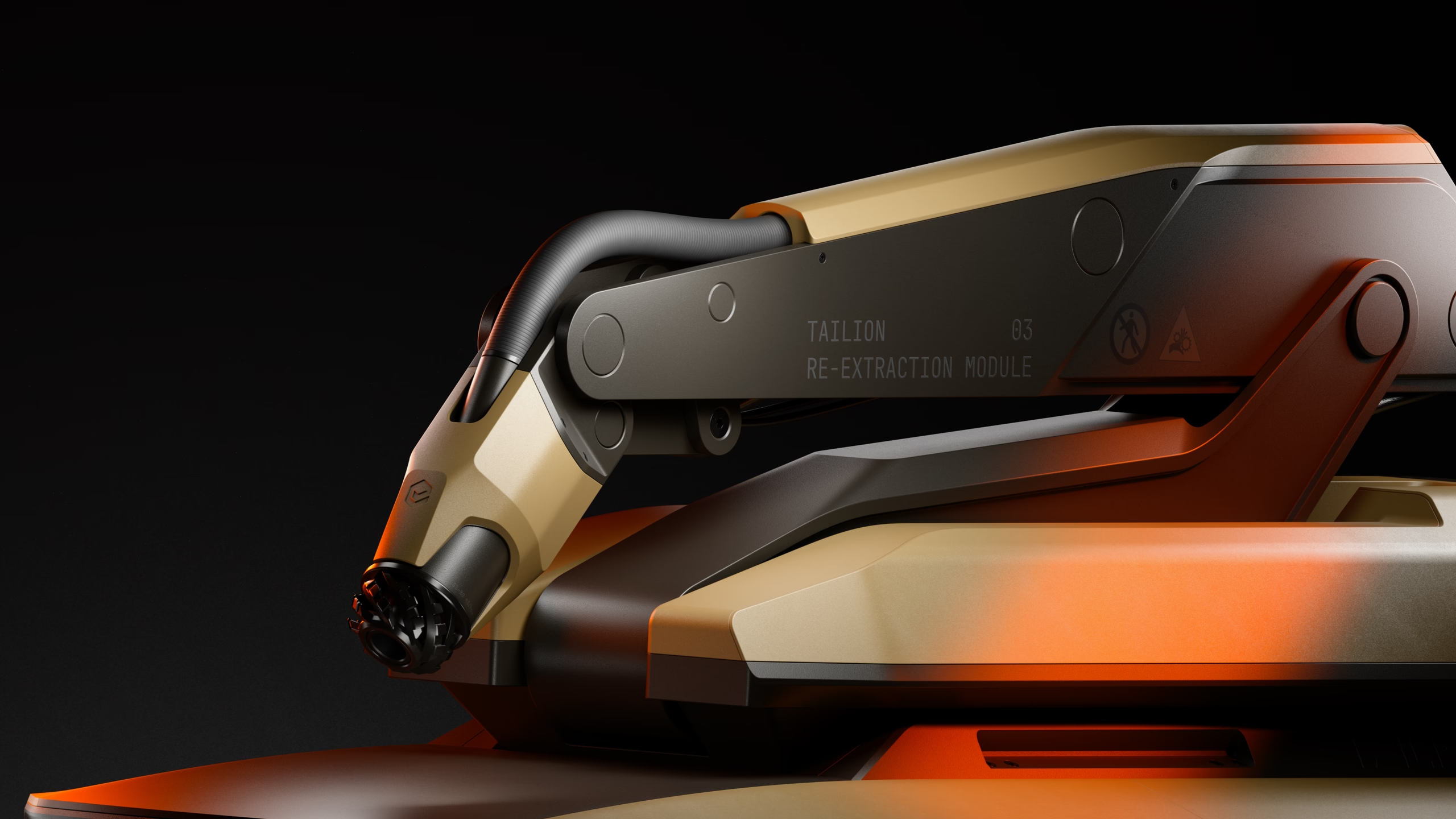
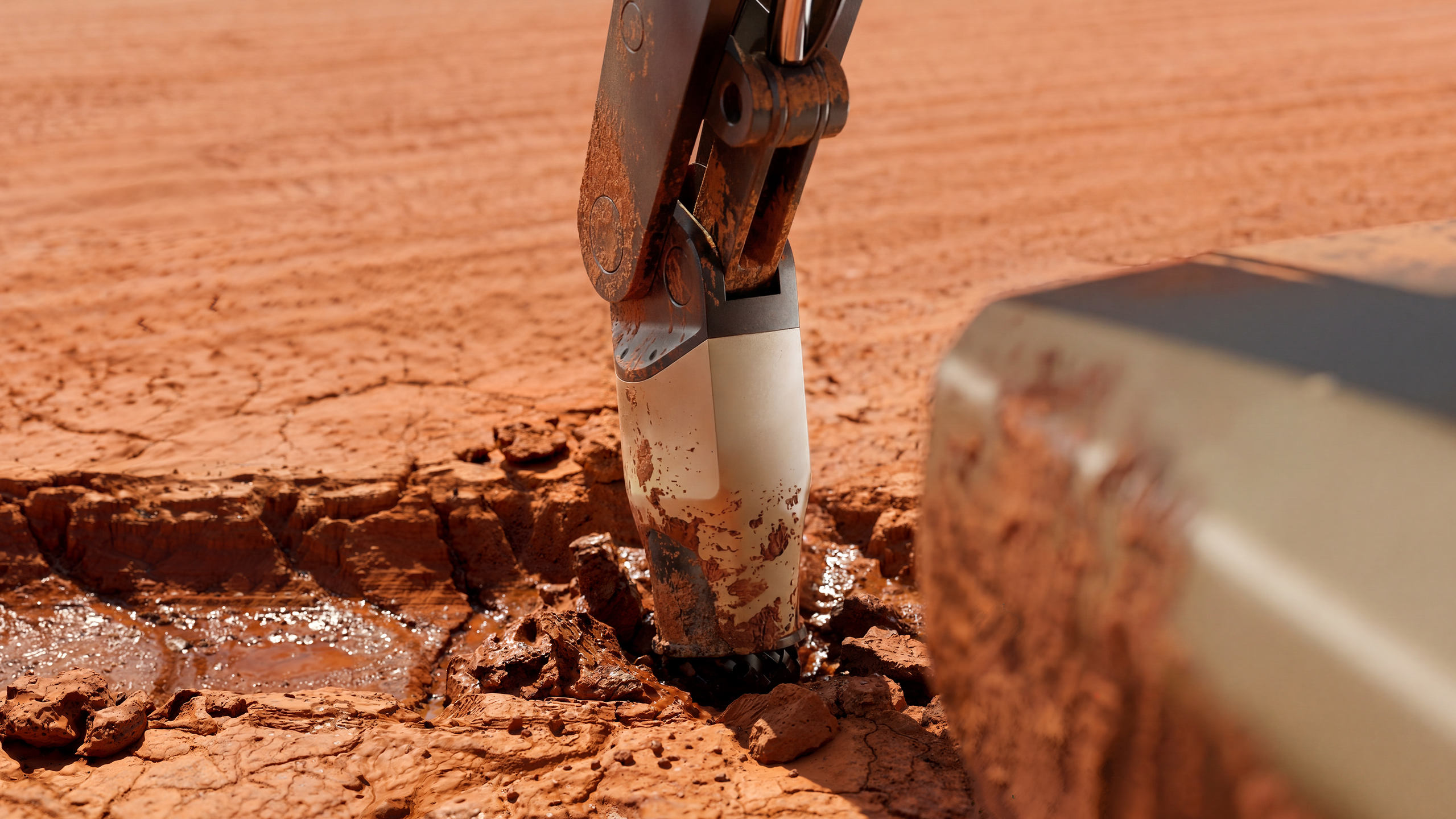
Upgrading to the re-extraction module, to extract residual minerals from tailings
Once the dashboard determines the economical presence of minerals, mining companies can upgrade the system with a cutting-suction articulated head that breaks the soils and pumps tailings for a second round of processing, turning a liability into a secondary resource stream.
Safety and maintenance
Designed for safe interaction and long operational lifecycles
Pulsating status lights communicate system state at a distance, while ergonomic access points and clear cleaning zones keep modules serviceable in harsh tailings environments—reducing downtime without compromising operator safety.
Concept Development
From virtual exploration to physical prototype
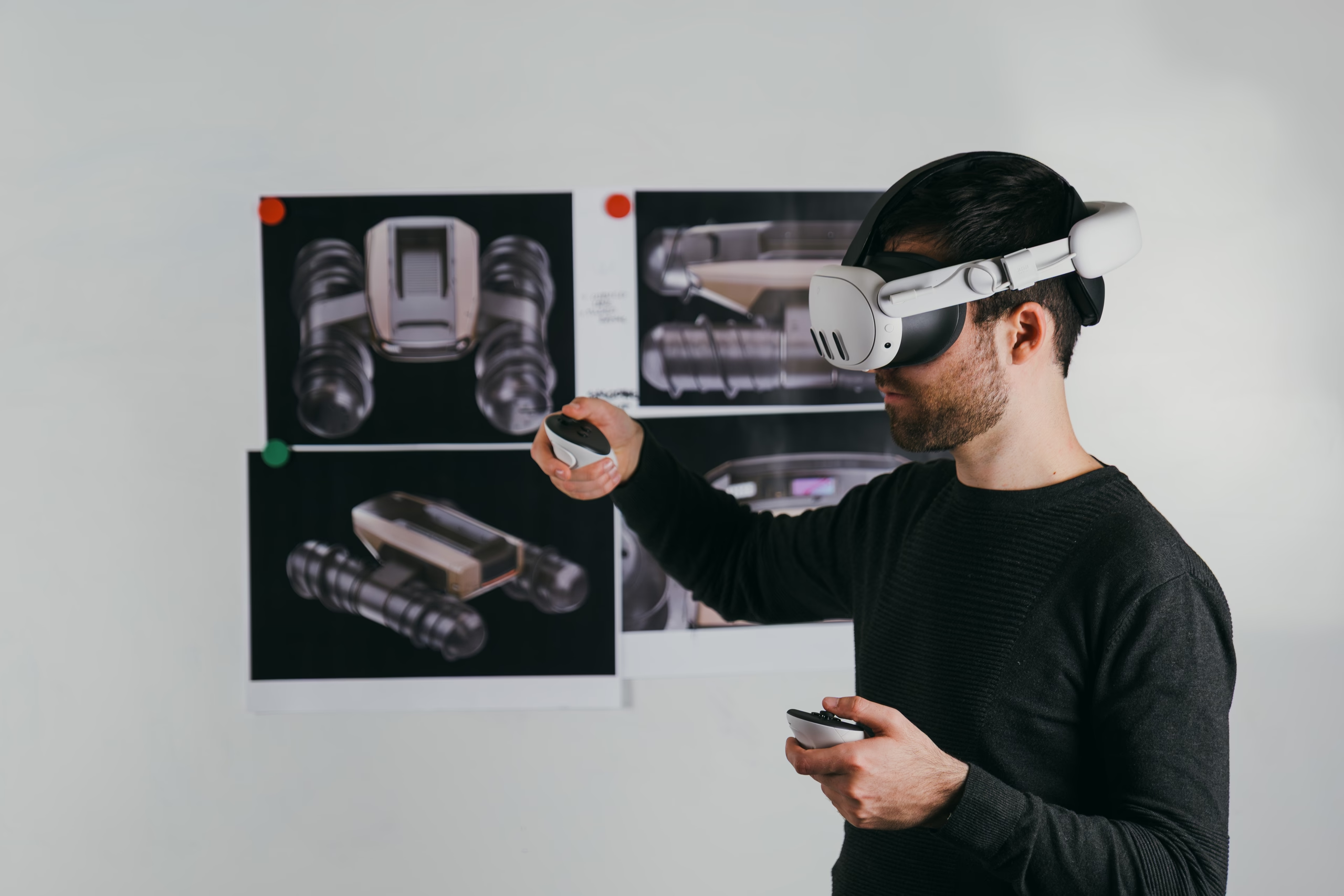
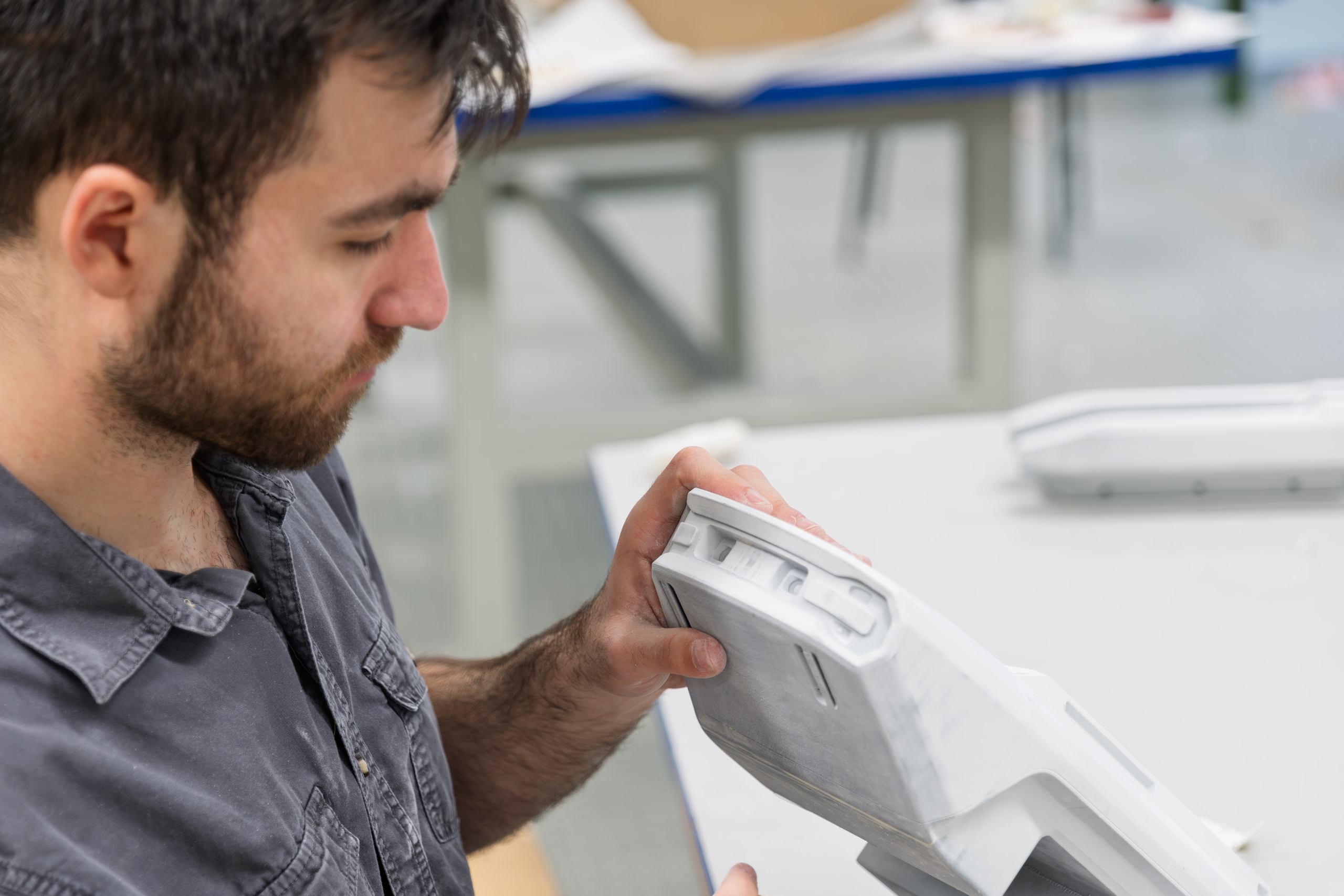
Virtual reality helped explore scale, proportions, and interaction early, while physical prototypes brought the screw-propulsion form to life.